Winter Weather Advisories Expand Across the United States as Snow and Arctic Cold Disrupt Travel
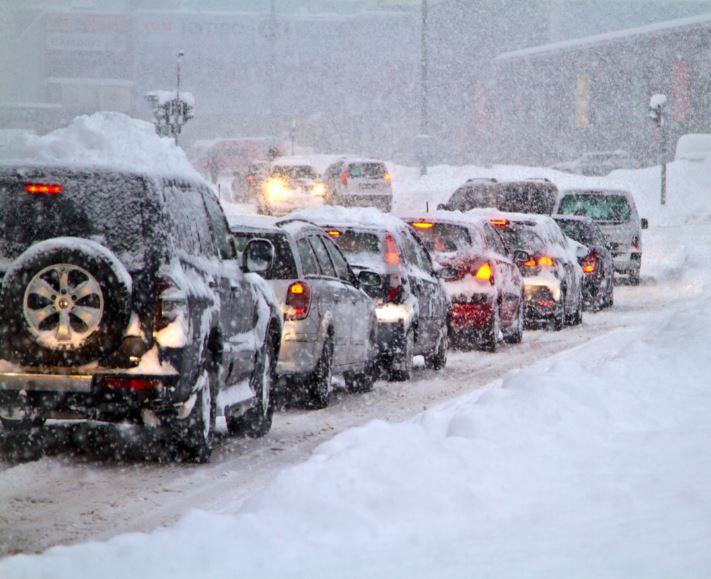
Snowfall and Arctic air have prompted widespread Winter Weather Advisories across several regions of the United States.
The National Weather Service warns millions of Americans to prepare for icy roads, accumulating snow, and dangerously low temperatures as winter systems intensify nationwide.
Winter has tightened its grip on large portions of the United States as widespread Winter Weather Advisories remain in effect across multiple regions, signaling the arrival of hazardous conditions that are already disrupting travel, daily routines, and public safety efforts. From the Northeast and Midwest to parts of the Mid-Atlantic and Southeast, snow, freezing temperatures, and icy roads are becoming a defining feature of the current weather pattern.
Meteorologists say the latest round of advisories is tied to a combination of fast-moving winter storms and a surge of Arctic air pushing southward from Canada. While not all areas are experiencing major blizzards, the conditions meet the threshold for significant inconvenience and danger, particularly for commuters, travelers, and vulnerable populations.
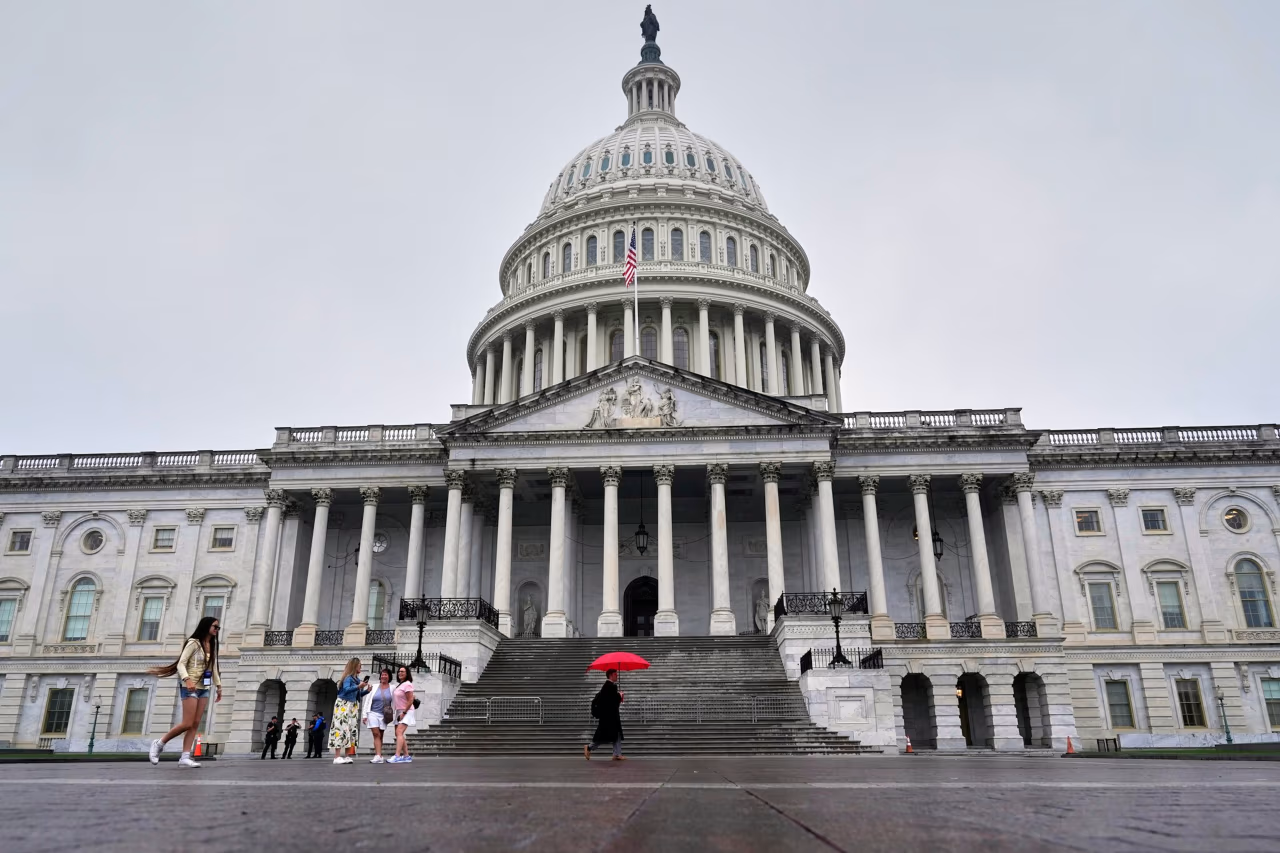
In the Mid-Atlantic region, early-morning snowfall and freezing temperatures prompted advisories in areas surrounding Washington, D.C., northern Virginia, and Maryland. Forecasts indicate snow accumulations ranging from one to three inches in many locations, with higher totals possible in isolated pockets. Even modest snowfall in these densely populated areas can cause major traffic delays, school disruptions, and hazardous driving conditions, especially during peak commuting hours.
Farther north, the Northeast continues to face persistent winter conditions as advisories stretch across New York, New Jersey, Connecticut, and parts of Pennsylvania. Some communities experienced their first measurable snowfall of the season, while others saw renewed snow showers layered atop earlier accumulations. Local governments activated snow removal operations, salted major roadways, and urged residents to limit non-essential travel during periods of heavier snow.
In upstate New York and areas near the Great Lakes, lake-effect snow has added another layer of complexity. These snow bands can produce rapid accumulations over short distances, significantly reducing visibility and making road conditions unpredictable. Drivers in affected regions have been warned to prepare for sudden whiteout conditions, especially on highways and rural roads.
The Midwest is also firmly in winter’s path, with winter weather advisories covering portions of Ohio, Indiana, Michigan, and neighboring states. Forecasts in these areas point to snow totals between three and five inches, enough to warrant snow emergencies in several counties. Officials have advised residents to park off streets where possible to allow plows access and to exercise caution when driving on untreated roads.
Beyond snowfall, bitter cold is emerging as one of the most serious threats associated with the current weather pattern. A powerful Arctic air mass has driven temperatures well below seasonal averages, with overnight lows plunging into the single digits and teens across much of the northern United States. Wind chills in some areas are making it feel even colder, increasing the risk of frostbite and hypothermia.
In response, cities and counties across the Northeast and Midwest have activated cold weather protocols, opening warming centers and extending shelter hours to protect people experiencing homelessness and those without reliable heating. Public health officials are encouraging residents to check on elderly neighbors, ensure pets are kept indoors, and avoid prolonged exposure to the cold whenever possible.
The impact of winter weather advisories is already being felt in the transportation sector. Airports across the Northeast and Midwest have reported flight delays and cancellations due to icy runways, de-icing operations, and reduced visibility. Rail and bus services in urban areas are also experiencing delays as crews work to keep tracks and platforms safe.
Road travel has proven especially challenging. State police and transportation departments have responded to an uptick in accidents linked to slick roads and reduced traction. Officials continue to stress that most winter-related crashes are preventable, urging drivers to slow down, increase following distance, and avoid sudden braking or sharp turns on icy surfaces.
In some regions, freeze warnings have accompanied winter weather advisories, extending the reach of winter hazards into parts of the southern United States. States in the Southeast are experiencing colder-than-normal temperatures, raising concerns about frozen pipes, damaged crops, and stress on energy infrastructure. Residents in these areas are being advised to protect outdoor plumbing, bring sensitive plants indoors, and monitor heating systems closely.
Emergency management agencies emphasize that winter weather advisories are not issued lightly. While they fall below the severity of winter storm warnings, advisories signal conditions that can still pose a real risk to public safety. Snow-covered roads, black ice, and reduced visibility can quickly turn routine travel into a dangerous situation.
The National Weather Service advises residents in affected areas to stay informed by monitoring local forecasts and weather alerts. Conditions can change rapidly, especially when multiple weather systems interact or when temperatures fluctuate around the freezing mark. A period of melting followed by refreezing can be particularly hazardous, creating invisible ice on roads, sidewalks, and bridges.
Despite the challenges, winter weather also brings moments of seasonal enjoyment. For families and children, fresh snowfall offers opportunities for outdoor play, sledding, and scenic winter landscapes. However, officials caution that recreation should be balanced with safety awareness, especially near roadways or in extreme cold.
Looking ahead, meteorologists say winter weather advisories are likely to continue or expand as additional cold fronts move across the country. Long-range forecasts suggest that below-average temperatures may persist through mid-December, with periodic snow events affecting the northern and central United States. Travelers planning holiday trips are encouraged to build flexibility into their schedules and prepare for possible delays.
In summary, the current wave of winter weather advisories highlights a broad and evolving winter pattern impacting millions of Americans. Snowfall, icy conditions, and Arctic cold are combining to disrupt travel, strain infrastructure, and test emergency response systems. As winter settles in, preparation, awareness, and caution remain essential tools for staying safe during the season’s early and often unpredictable storms.
By Ekolense International News Desk


















Comments