Winter Chaos: U.S. Schools Shut Down as Fierce Snowstorms Paralyze Roads and Freeze Daily Life
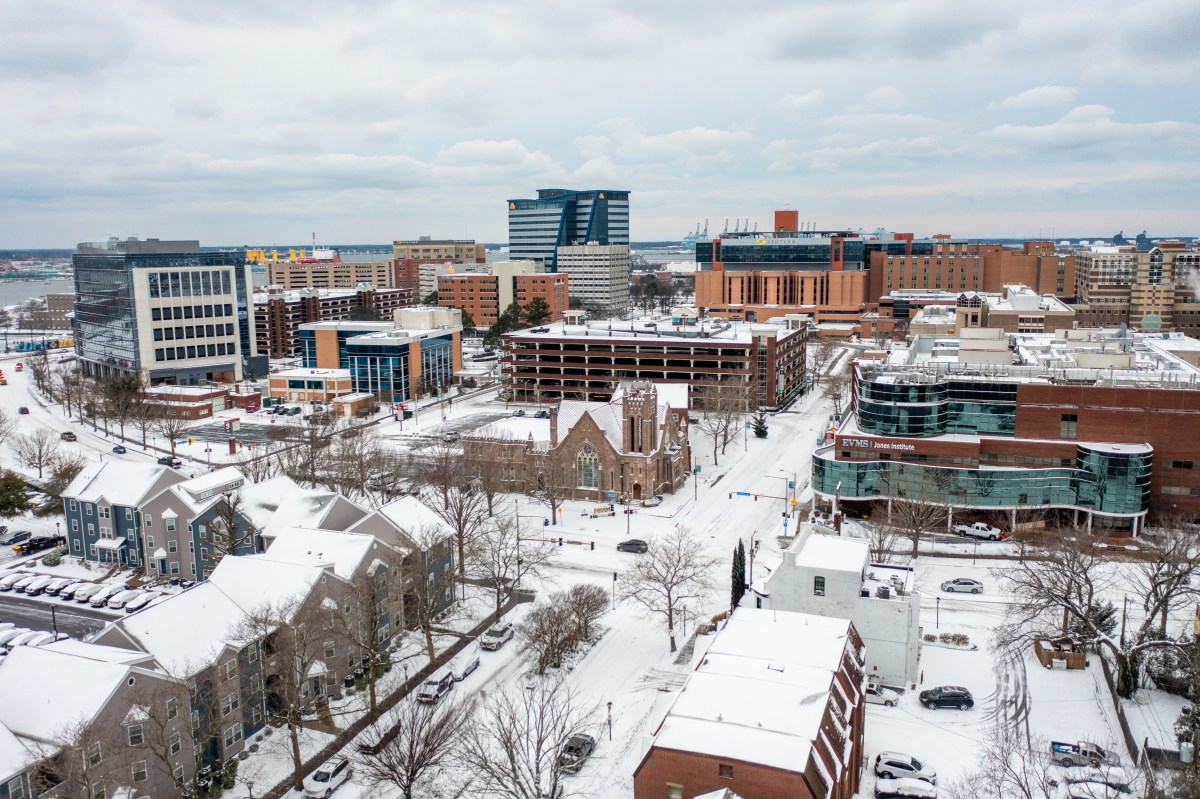
Widespread snow and freezing conditions across the U.S. force dozens of school districts to shut down for safety.
A sweeping blast of snow across the Midwest and East forces dozens of school districts to close, as officials brace for worsening conditions.
The United States is staring down yet another bruising stretch of winter weather, and this time, the snowfall has arrived with enough force to shut classrooms, freeze roads, and send entire communities scrambling. By late Wednesday night, school districts across the Midwest and parts of the East had announced closures for Thursday, citing one clear concern: safety.
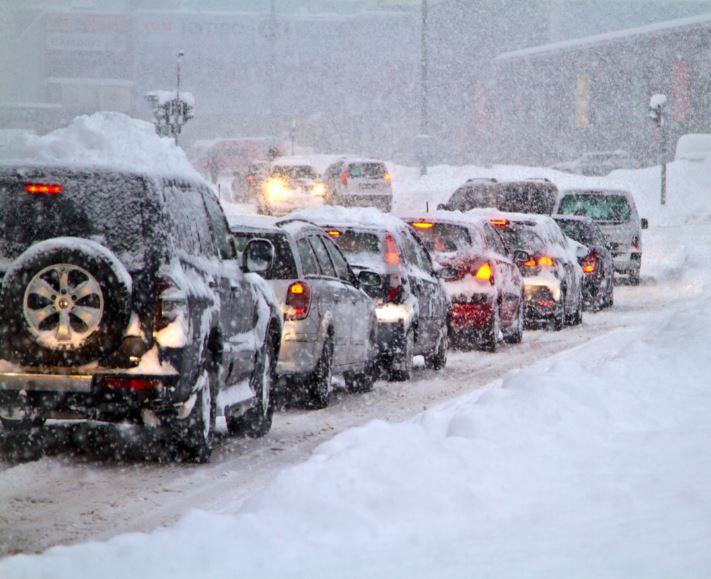
For days, meteorologists had warned that a stubborn winter system was dragging cold, snow-packed air across the central and northeastern parts of the country. But what unfolded through Wednesday evening confirmed their fears—visibility dropped sharply, temperatures plunged, and roads that had been manageable earlier in the week turned slick and treacherous. Officials across multiple states quickly began sounding the alarm, urging residents to limit travel and prepare for deteriorating conditions.
School leaders didn’t hesitate. From rural districts with small student populations to large suburban centers, administrators emphasized the same point: transporting children in such weather simply wasn’t worth the risk. Buses cannot navigate icy roads safely, and parents attempting to drive their children face the same hazards. As a result, dozens of school systems—particularly in Michigan, but also in parts of Virginia—moved swiftly to cancel Thursday classes.
Michigan, already accustomed to harsh winters, found itself at the heart of this wave of closures. The storm hit at a time when snowfall totals in some regions were already edging close to their yearly average, creating layered ice beneath fresh snow and compromising road safety. Districts including Pontiac, Anchor Bay, Richmond, Memphis, Bad Axe, Cass City, Harbor Beach, Caro, Kingston, Vassar, and several others notified families early, giving parents as much time as possible to adjust their morning routines. Catholic schools and charter academies were also among those opting out of Thursday classes, underscoring the severity of the storm.
In many communities, it wasn’t just the snow that posed the danger—it was the combination of bitter temperatures and wind patterns that could send snow swirling across roads within minutes, undoing the progress of plow trucks. Emergency management officials in affected regions noted that even salted roads were freezing over again as the storm’s intensity increased. In rural districts where students depend heavily on bus transportation, the decision to close was even more pressing. Narrow, unlit country roads can become lethal when coated in black ice and drifting snow.
Local authorities in Michigan’s Thumb area—a region that includes towns like Harbor Beach, Caseville, and Ubly—reported especially difficult conditions. The open landscapes there allow winds to push snow rapidly across long stretches of highway, burying lanes and reducing visibility to near zero at times. Even short commutes became unpredictable, leaving school leaders little choice but to err on the side of caution.
Virginia also felt the reach of this sprawling weather event. Grayson County Public Schools confirmed they would not hold classes on Thursday, noting that mountain roads in the region become hazardous quickly during winter storms. Freezing rain in addition to snow is a possibility there, creating a different but equally serious risk. Local weather offices warned that even slight elevation changes could turn wet roads into ice sheets overnight.
For parents, last-minute school closures can be frustrating—but many voiced appreciation for the transparency and early notifications provided by districts. With temperatures expected to drop throughout the day Thursday, keeping children home offered peace of mind for families already juggling work schedules, winter power bills, and holiday preparations. Virtual class options, while available in some districts, were not widely implemented for this particular storm, leaving families and teachers with an unexpected day to reorganize.
The National Weather Service remained firm in its messaging: the storm isn’t done yet. Forecast models suggest that additional snowfall may continue into Thursday evening, and meteorologists are keeping a close watch on where the system may shift next. In lake-effect zones, where cold air passing over warmer Great Lakes waters creates intensified snowfall, conditions can flip from manageable to dangerous within minutes. Communities in these areas were warned to stay alert and expect fast-changing conditions.
Road crews across affected states have been working nonstop—plowing, salting, and attempting to stay ahead of the storm. Still, their ability to keep roads safe is limited when snow falls at rates faster than trucks can clear. Law enforcement agencies urged residents to avoid nonessential travel, cautioning that even major highways could become unsafe during the worst hours of the storm.
Winter storms like this one highlight the delicate balance school districts must maintain: maintaining consistency for students while prioritizing safety above all else. In many of the affected regions, Thursday’s closures may be followed by delays or additional closures if the storm intensifies or roads fail to improve. Some districts preemptively announced that they would reevaluate conditions early Friday morning before making decisions about the end of the week.
Beyond the immediate disruptions to learning, the storm brings broader ripples through communities. Parents working in essential services must adjust childcare arrangements. Businesses operating on in-person staffing feel the impact of employees suddenly unavailable. And for families in rural areas or older homes, harsh winter weather increases concerns about heating, power outages, and access to emergency services.
Despite these challenges, communities across Michigan and Virginia are familiar with the rhythm of winter storms. Residents often prepare early—stocking up on groceries, checking generators, insulating pipes, and ensuring that vehicles are winter-ready. The collective resilience shows in how quickly towns adapt, supporting one another through closures and weather-related complications.
As Thursday unfolds, weather officials will continue tracking the storm’s movements, and more districts may join the growing list of closures. For now, the priority remains clear: keep students safe, keep families informed, and weather the storm one day at a time. Winter may only just be settling in, but its early message is unmistakable—this season demands respect, and communities must stay vigilant.
By Ekolense International News Desk




















Comments