Pope Leo XIV Vows Vatican Will Speak Out Against Global Human Rights Violations
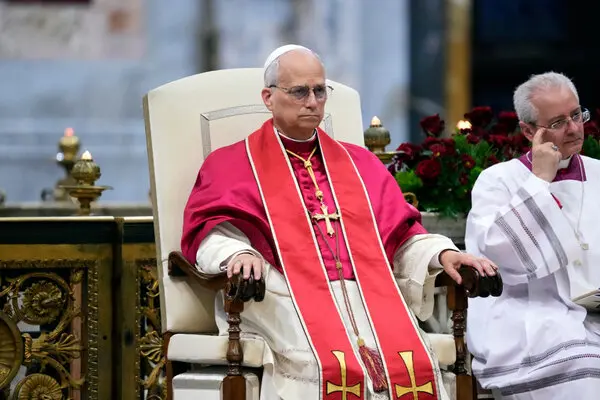
Pope Leo XIV pledges that the Holy See will actively defend human dignity and advocate for justice worldwide.
The Pontiff tells newly accredited ambassadors that the Holy See will actively defend human dignity, advocate for justice, and refuse to remain silent in the face of abuses worldwide.
Pope Leo XIV has reaffirmed the Vatican’s steadfast commitment to human rights, declaring that the Holy See will not remain a passive observer amid global injustice. Addressing newly accredited ambassadors at the Vatican, he stressed that the Church’s diplomatic mission transcends ceremonial duties: it is rooted in defending human dignity, advancing justice, and amplifying the voices of marginalized communities.
The Pontiff described the current international landscape as one marked by “grave inequalities, systemic abuses, and conflicts imperiling millions of lives.” He emphasized that turning a blind eye is unacceptable, asserting that silence in the face of human suffering undermines both moral authority and global stability. “The Holy See is called to act as a conscience for the world,” Pope Leo stated, “to speak truth to power and champion the rights of the most vulnerable.”
Diplomats from nations across all continents heard the Pope underline that human rights advocacy must be central to Vatican diplomacy. He highlighted the struggles of conflict-affected communities, displaced populations, and those suffering institutional neglect. Through direct engagement on rights violations, the Vatican aims to leverage its moral and spiritual authority to encourage governments, intergovernmental bodies, and civil society to act decisively.
The address comes amid intensifying reports of human rights violations worldwide, from armed conflicts to systemic discrimination. Pope Leo’s words send a clear signal: the Holy See will remain engaged and ensure the voices of the oppressed are heard. He emphasized that diplomacy and advocacy are complementary tools for fostering peace, justice, and sustainable development.
In his remarks, the Pope highlighted the ethical responsibilities of states and leaders, urging ambassadors to ensure that their governments’ policies respect human dignity and justice. He cautioned against policies that deepen inequality, restrict freedoms, or leave vulnerable populations unprotected. By addressing diplomats—who represent their countries at the Vatican—he underscored that moral considerations should guide political and economic decisions.
While human rights advocacy has always been a Vatican priority, Pope Leo conveyed an urgent call to action. He cited humanitarian crises, forced migrations, and social disparities affecting millions globally. Framing these challenges as matters of international concern, he reaffirmed the Vatican’s role as a moral authority and diplomatic actor capable of influencing norms and policies worldwide.
Recognizing the complexities of global diplomacy, the Pope noted that pursuing justice requires negotiation, dialogue, and patience, especially when confronting entrenched political or cultural structures. Yet he insisted that these challenges should never justify inaction. The Church’s diplomatic efforts are guided by the principle that defending human rights is a moral imperative transcending borders and interests.
Pope Leo also addressed emerging global threats, including climate change, economic inequality, and technological disruptions, which disproportionately affect vulnerable populations. He called for proactive, coordinated international responses grounded in ethical responsibility, emphasizing that governments must prioritize the protection of life, dignity, and social equity.
Throughout the address, the Pope stressed accompaniment, solidarity, and pastoral care as essential components of the Church’s approach. While advocacy may confront political powers, the ultimate goal is fostering conditions for justice, peace, and human flourishing. Through moral guidance and diplomacy, the Vatican encourages societies to adopt inclusive and rights-protective policies.
Observers noted that this message arrives as global attention focuses increasingly on systemic injustices, including human trafficking, discrimination, and armed conflict. Pope Leo’s words signal that the Holy See will remain a credible, consistent voice for the marginalized, while promoting dialogue and cooperation among nations.
The Pope emphasized the crucial role of ambassadors, portraying them as conduits for ethical values, peacebuilding, and international collaboration. By engaging proactively with diplomats, the Vatican reinforces expectations that states uphold human rights, justice, and the common good. Diplomacy, he stated, is an active vehicle for positive global change.
Beyond policy, Pope Leo highlighted the spiritual and moral dimensions of advocacy. Defending human rights is intertwined with the Church’s mission to affirm the dignity of every person. This principle informs all Vatican initiatives, from humanitarian aid to participation in international forums, ensuring ethical imperatives guide both words and actions.
Concluding his address, the Pope appealed to ambassadors to champion these principles within their countries. He urged them to support policies that protect the oppressed, address inequality, and foster reconciliation in conflict zones. Through diplomatic channels, the Holy See seeks to influence real-world outcomes while maintaining its spiritual mission.
International reactions were largely positive. Human rights organizations welcomed the reaffirmation of global solidarity with vulnerable populations. Analysts noted that the Vatican’s moral authority, paired with its diplomatic reach, has the potential to shape international discourse and influence policies meaningfully. Governments and multilateral bodies were reminded that ethical accountability remains central to effective governance.
Pope Leo’s remarks also reinforce the Vatican’s strategy of linking spiritual leadership with tangible international action. Through public statements, diplomacy, and collaboration with NGOs and international organizations, the Holy See ensures advocacy for justice is paired with concrete engagement in global challenges.
As conflicts, inequality, and systemic abuses persist worldwide, Pope Leo’s declaration underscores the necessity of steadfast moral leadership. By asserting that the Vatican will not be a silent bystander, the Pontiff signals that global challenges demand vigilance, ethical courage, and sustained commitment. His address sets the tone for the Church’s diplomatic engagement in the coming years.
In summary, Pope Leo XIV’s message to newly accredited ambassadors is a landmark affirmation of the Holy See’s dedication to human rights and global justice. By combining moral guidance with practical diplomacy, the Vatican positions itself as both conscience and active participant in addressing the world’s most pressing ethical challenges.
By Ekolense International News Desk
















Comments