U.S. Halts Green Card & Citizenship Applications for Nigerians and Other Nationals in Massive Immigration Crackdown
Ekeoma Nwosu | 2025-12-20 | International Relations
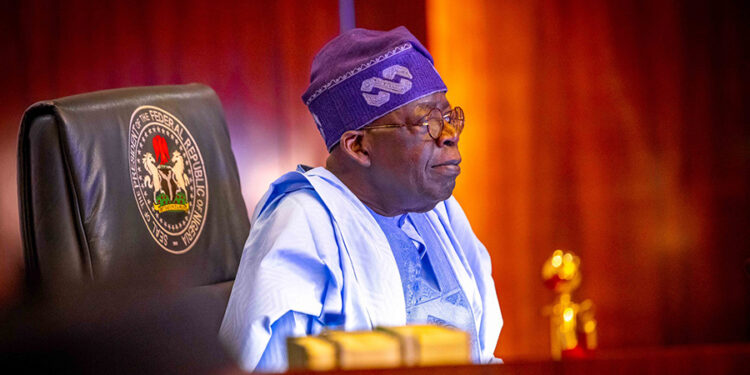
U.S. President Donald J. Trump
Washington’s sweeping travel‑policy overhaul freezes legal immigration for dozens of countries — leaving millions of hopeful migrants in limbo.
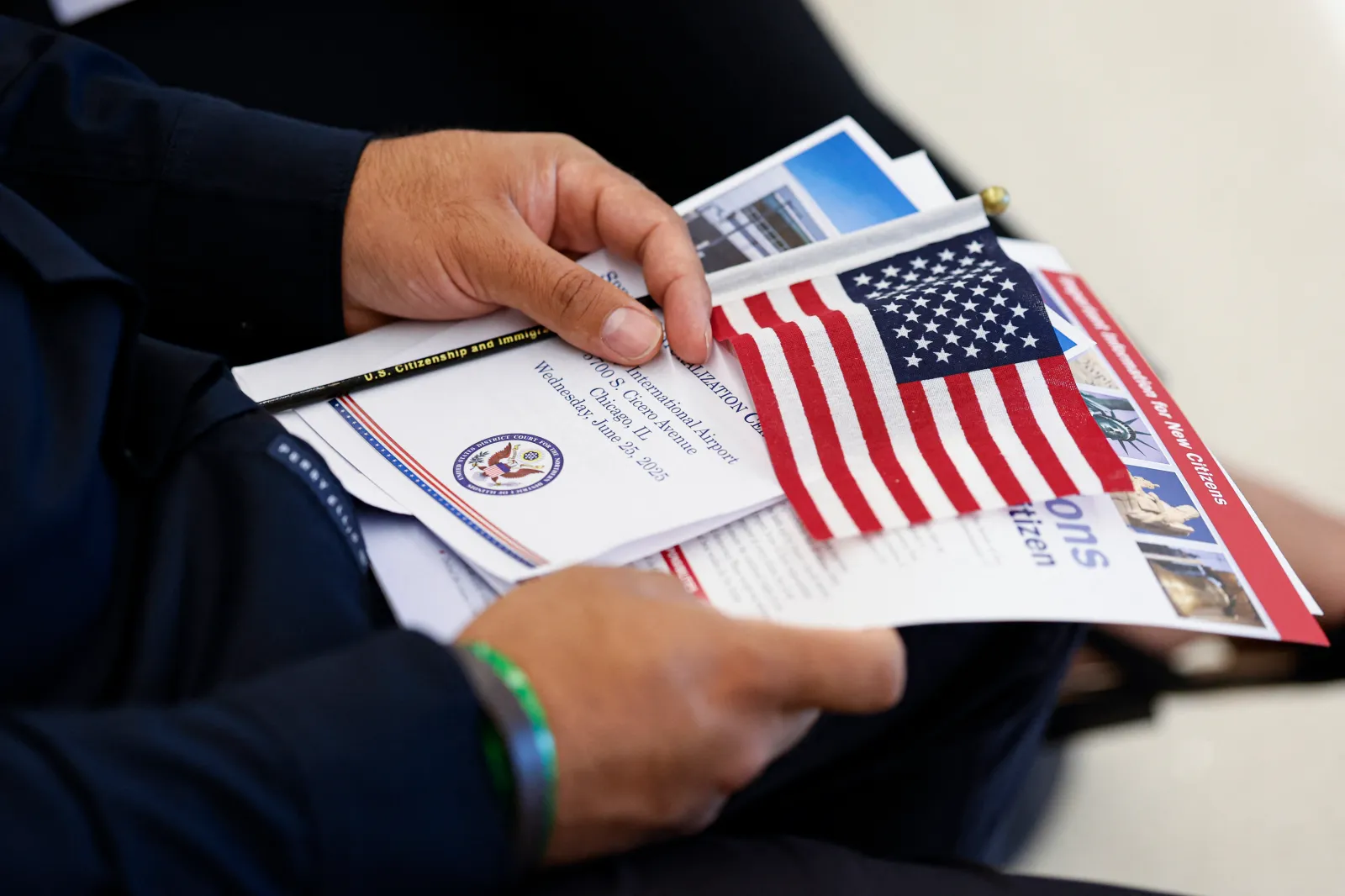
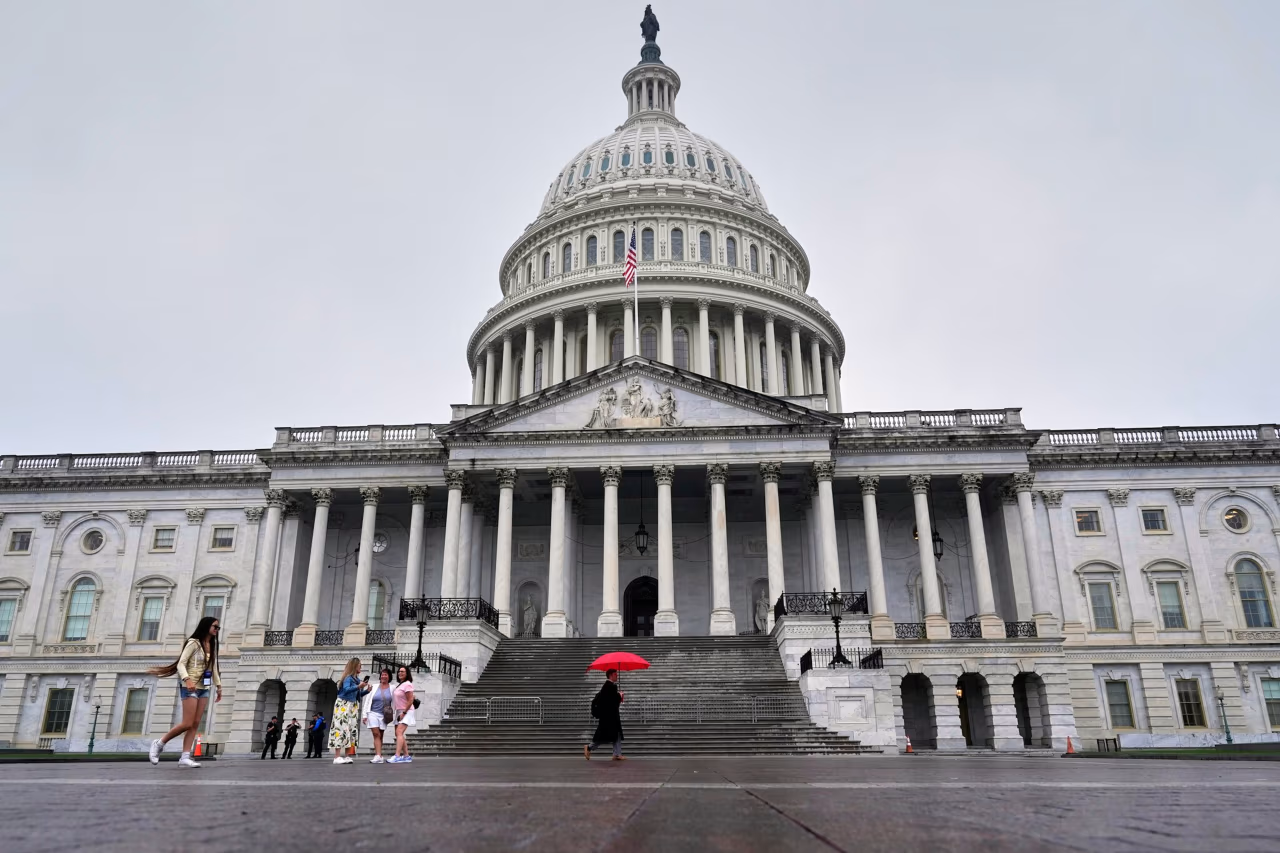
In a dramatic expansion of U.S. immigration policy, the American government has ordered a suspension of green card (permanent residency) and naturalization applications for Nigerians and citizens of numerous other countries newly swept up in an enlarged travel restriction regime. The move — part of a broader omnibus travel ban set to take effect January 1, 2026 — represents one of the most sweeping curbs on legal immigration in decades, affecting individuals far beyond the U.S. borders and reshaping the future of cross-border mobility between the United States and much of the world.
The directive, issued under a Presidential Proclamation on “Restricting and Limiting the Entry of Foreign Nationals to Protect the Security of the United States,” orders the suspension of immigrant visa processing — including green cards and citizenship petitions — for nationals of up to 39 countries identified by U.S. authorities as having “persistent and severe deficiencies in screening, vetting, and information sharing.” The policy also introduces broader entry restrictions that extend well beyond temporary travel bans, incorporating long-term legal pathways to residency and citizenship into its ambit.
According to U.S. officials, the restrictions fall into two primary categories: full suspension and partial suspension of entry and visa issuance. Under full suspension, nationals of certain countries face a complete halt on both immigrant and nonimmigrant visas. Under partial suspension, immigrant visas and key temporary categories — including visitor, student, and exchange visas — are effectively blocked unless narrow exemptions apply.
Who Is Affected — Full and Partial Bans
The countries subject to the full travel ban — meaning both immigrant and most nonimmigrant visa categories are suspended — include Afghanistan, Burkina Faso, Burma (Myanmar), Chad, the Republic of the Congo, Equatorial Guinea, Eritrea, Haiti, Iran, Laos, Libya, Mali, Niger, Sierra Leone, Somalia, South Sudan, Sudan, Syria, and Yemen. Additionally, individuals using travel documents issued by the Palestinian Authority are subject to a full suspension.
In the partial suspension category, nations such as Angola, Antigua and Barbuda, Benin, Burundi, Côte d’Ivoire, Cuba, Dominica, Gabon, The Gambia, Malawi, Mauritania, Nigeria, Senegal, Tanzania, Togo, Tonga, Venezuela, Zambia, and Zimbabwe will see immigrant and select nonimmigrant visas blocked and other categories circumscribed, making it extremely difficult for nationals of these states to obtain new visas or pursue permanent residency.
For Nigeria — which had already been designated a “country of particular concern” earlier this year — the new policy suspension means green card and citizenship applications from Nigerians are now on hold, even for those who have already initiated their petitions, as officials conduct an expanded national security review.
While U.S. travel bans historically focused mainly on short-term travel visas, this latest proclamation extends the restrictions to core legal immigration processes. That shift marks a departure from traditional travel policy, effectively placing millions of prospective immigrants and their families in uncertainty. For many applicants, years of paperwork, investment, family reunification plans, or employment-based immigration pathways are now stalled indefinitely.
The White House has justified the action on national security grounds, citing concerns over high visa overstay rates, insufficient vetting infrastructures, fraudulent documentation, and failures in information sharing between Washington and the governments of listed countries. Critics argue that the policy amounts to collective punishment based on nationality and unfairly stigmatizes entire populations regardless of individual circumstances.
Experts also note that the restrictions could have wide-ranging diplomatic repercussions. Countries affected by the frozen visa processing may view the U.S. move as punitive, potentially prompting retaliatory visa measures and fracturing long-standing bilateral cooperation agreements. Likewise, international educational, business, and family networks that rely on U.S. visas and green cards may suffer significant disruption, slowing exchanges of talent and resources.
For individuals directly affected by the suspension — including Nigerians, Senegalese, Beninese, and others under partial bans — the immediate impact is stark: no new green cards or citizenship interviews will be scheduled, and existing petitions may be placed on indefinite hold pending additional reviews. Those outside the U.S. without valid visas as of January 1, 2026, will also be barred from entering under most categories.
Certain exceptions are carved out in the proclamation — including for lawful permanent residents already in the U.S., diplomats, official travelers, and select categories such as participants in major international sporting events — but for most ordinary applicants, the window for legal immigration pathways is effectively shuttered until further policy changes.
Dual nationals who can travel on passports from countries not on the ban list, and non-citizens currently in the U.S. on valid visas, are also largely exempted from the freeze. Still, many families separated by borders, international students, and employment-based migrants now face profound uncertainty.
Reactions from affected communities have been swift. In Nigeria, some prospective travelers have already cancelled holiday and study plans, while immigration lawyers caution applicants to seek legal advice as the situation evolves. The policy has reignited debate over the balance between national security and global mobility, particularly at a moment when transnational challenges such as economic inequality, climate displacement, and cultural exchange make international travel and migration ever more central to global stability.
As these sweeping restrictions prepare to take effect with the new year, millions of would-be immigrants, their families, and global employers are left watching Washington’s policy calculus — uncertain whether the door will reopen, stay ajar, or disappear altogether. The implications of this proclamation will reverberate far beyond visa offices and borders, shaping the future of U.S. engagement with the world’s increasingly mobile population.















Comments