Residents Return to Tense Uvira as M23 Rebel Offensive Undermines Peace Deal and Deepens Humanitarian Crisis
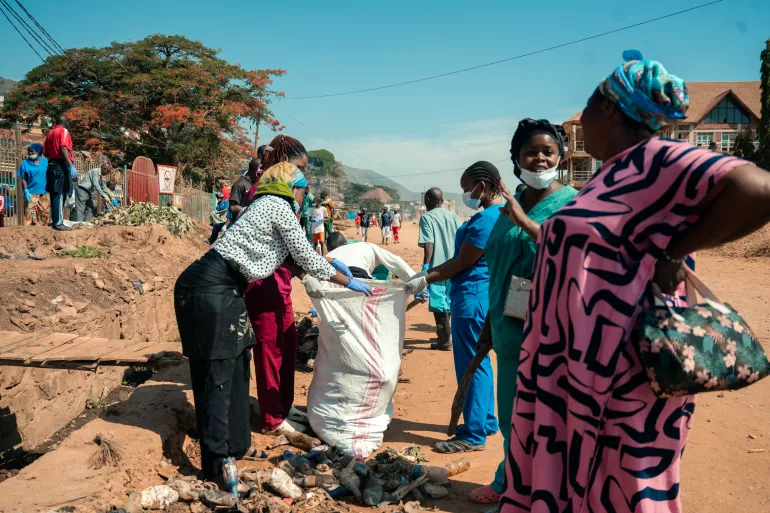
Civilians cautiously return to Uvira following the M23 rebel takeover, amid uncertainty and ongoing security concerns.
Following the fall of Uvira, civilians cautiously emerge amid intensified fighting, mass displacement, and rising regional tensions, raising concerns over the collapse of a U.S.-brokered peace accord.
The lakeside city of Uvira in eastern Democratic Republic of Congo (DRC) is witnessing a fragile calm as residents slowly return to their homes after being seized by M23 rebels, marking one of the most consequential escalations in the long-running conflict in the region.
Uvira, a strategic port on the northern shore of Lake Tanganyika near the Burundi border, had long been a stronghold of government authority. Its capture by M23 represents a sharp blow to Congolese state influence in eastern DRC and raises concerns over regional stability.
The developments follow a U.S.-brokered peace agreement signed in early December by DRC and Rwandan leaders in Washington. While the accord aimed to reduce border tensions, it excluded M23. Within days, the rebels intensified their campaign, undermining the diplomatic effort.
For residents, daily survival is the immediate concern. Shops remain closed, public services disrupted, and streets bear visible signs of conflict. An “uneasy calm” pervades the city as families emerge from hiding to seek food, water, and assess the damage, though fear and uncertainty remain prevalent.
Humanitarian Impact and Displacement
The offensive has caused significant casualties, with hundreds reported killed, including women and children. More than 200,000 people have been displaced, many fleeing to neighboring Burundi, stretching local resources and heightening fears of regional instability.
Burundian authorities have deployed troops and closed border crossings to protect their territory, highlighting the potential for broader conflict spillover. Humanitarian agencies face challenges delivering aid due to security risks and damaged infrastructure, leaving many civilians in urgent need of food, shelter, and medical care.
Regional and International Tensions
The DRC, supported by U.S. and U.N. diplomats, has accused Rwanda of backing M23 with arms and troops, a claim Kigali denies. Rwanda insists any forces in eastern Congo focus on border security. The situation has attracted scrutiny at the United Nations Security Council, where the U.S. called for accountability for those undermining peace efforts.
Peace Deal Undermined
Observers argue the M23 offensive demonstrates the limitations of the U.S.-mediated Washington peace agreement, which excluded key non-state actors. Past ceasefires in eastern Congo have repeatedly faltered, leaving questions over the viability of current diplomatic efforts without inclusive negotiations.
Strategic Significance of Uvira
Uvira’s location on the northern shore of Lake Tanganyika makes it a critical corridor for movement between the DRC and Burundi. Control of the city gives M23 a strategic foothold to influence territorial dynamics, while prompting Burundi to strengthen its borders in response to the conflict.
Challenges Ahead
The battle for Uvira underscores the interplay of local grievances, regional politics, and international diplomacy. Government forces have pledged to reclaim territory, but achieving stability remains uncertain. Experts call for inclusive negotiations with all armed factions, alongside robust humanitarian engagement, to prevent prolonged displacement and insecurity.
For now, Uvira’s cautious resettlement — with shuttered businesses, wary citizens, and limited services — reflects both the resilience of local communities and the immense challenges of restoring lasting peace in eastern Congo.
By Ekolense International Desk





Comments