Power Grid Under Pressure: Outages and Preventive Shutdowns Disrupt Communities Across the United States
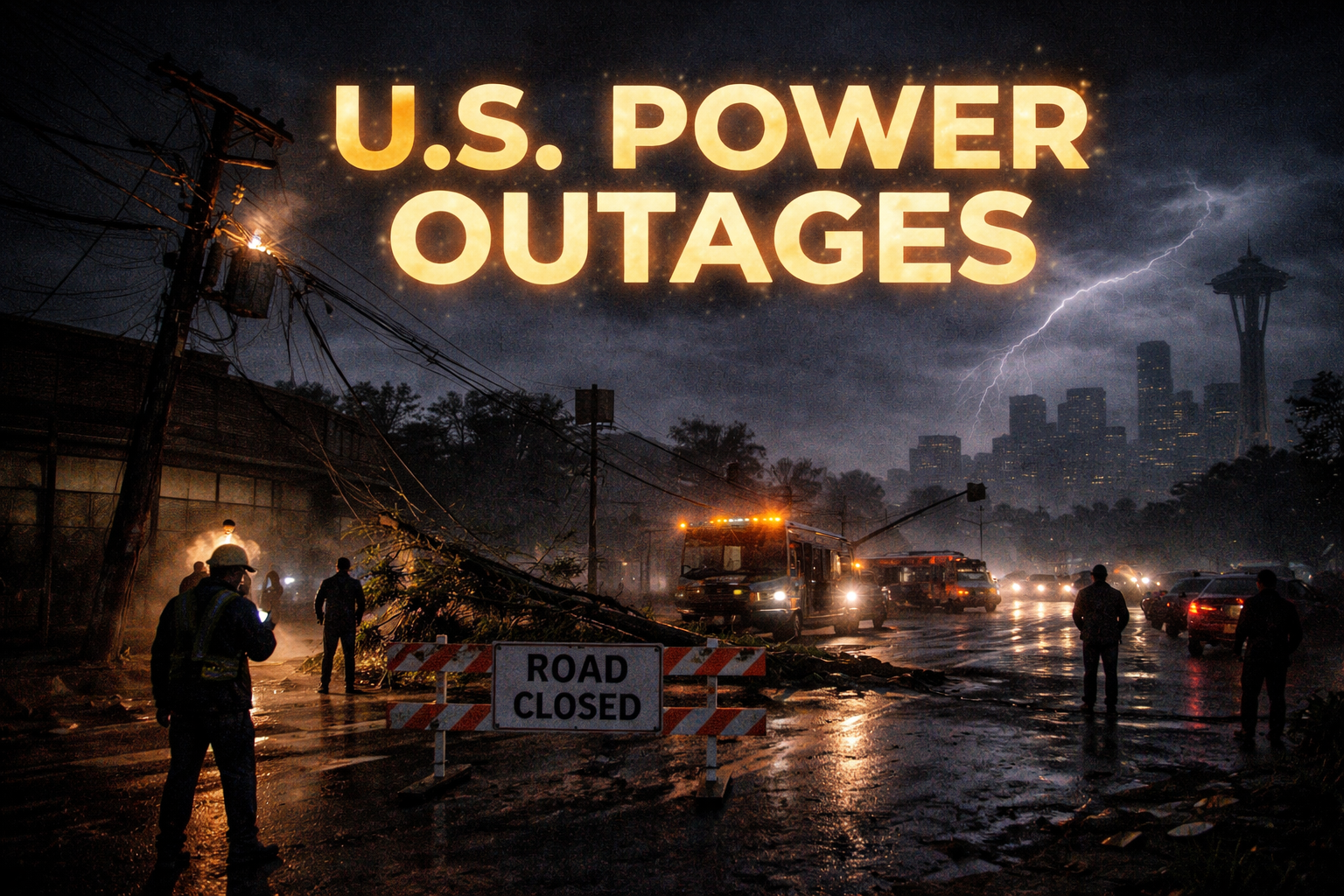
Power disruptions across several U.S. states have highlighted mounting pressure on the nation’s electricity infrastructure.
From equipment failures and storm damage to traffic accidents and wildfire prevention measures, a wave of power disruptions is exposing growing vulnerabilities in America’s electricity system.
Electricity underpins nearly every aspect of modern life, from home heating and healthcare to transportation networks and digital communication. Yet a series of recent power disruptions across the United States has revealed how easily that foundation can be shaken. In cities and towns stretching from the Pacific Northwest to the Southeast and the Northeast, outages driven by mechanical failures, accidents, extreme weather, and preventive safety measures have disrupted daily routines and raised broader concerns about the resilience of the nation’s power grid.
In Seattle, thousands of residents experienced a sudden loss of electricity after an internal equipment failure interrupted service across multiple neighborhoods. More than 16,000 customers were affected, and the outage quickly extended beyond homes and offices. Traffic signals went dark at several intersections, prompting warnings from city officials and increasing the risk of road accidents during busy hours. With no immediate restoration timeline initially available, residents and businesses were left navigating uncertainty, highlighting how even localized equipment problems can ripple through a densely populated urban environment.
The Seattle outage reignited public discussion about aging infrastructure in major cities. While utilities routinely invest in maintenance and upgrades, many components of the power grid were installed decades ago and now operate under heavier demand than originally anticipated. As urban populations grow and electricity use expands, the margin for error continues to narrow.
In Miami, a power disruption stemmed not from weather or mechanical failure, but from a traffic incident. A stolen Ferrari crashed into a utility pole, knocking out power in a localized area. Although the alleged driver sustained only minor injuries, the impact on nearby residents and businesses was immediate. Damaged poles and downed lines forced crews to secure the scene before restoration could begin, underscoring how vehicle collisions remain a persistent and unpredictable threat to power reliability in cities where infrastructure runs close to roadways.
While outages in Seattle and Miami were unplanned, parts of Colorado faced the prospect of electricity being shut off deliberately. Xcel Energy warned customers along Colorado’s Front Range that preemptive power shutoffs could be implemented due to forecasted extreme winds and heightened wildfire risk. Such measures, often described as public safety power shutoffs, are intended to reduce the chance that electrical equipment could spark fast-moving fires under dangerous conditions.
The warning reflects a growing reality for utilities operating in wildfire-prone regions. Strong winds, low humidity, and dry vegetation can turn a single ignition source into a catastrophic blaze. By temporarily cutting power in high-risk zones, utilities aim to eliminate one potential trigger, even as they acknowledge the inconvenience and disruption these shutoffs cause.
Residents across the Front Range have been urged to prepare by charging devices, securing backup lighting, and planning for essential needs. For households that rely on electrically powered medical equipment, the possibility of preventive outages has heightened concerns about safety and continuity of care. Local officials have emphasized the importance of preparedness and communication as climate-driven risks intensify.
In the Northeast, winter weather and equipment damage added further strain to the grid. In Connecticut, damage at a Danbury substation left more than 3,000 customers without power. Utility crews moved quickly to restore service, and officials indicated that full restoration was expected within a relatively short timeframe. Still, the incident highlighted how substations can become critical points of failure when key components are compromised.
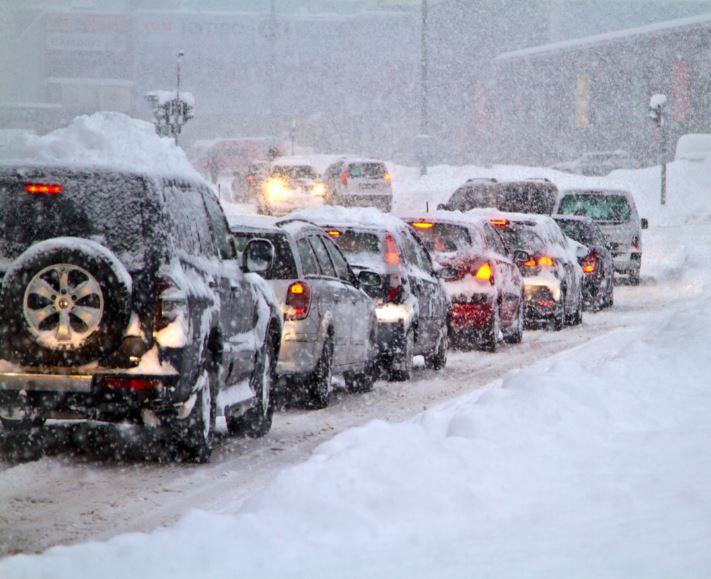
Additional outages were reported in Connecticut communities including Bridgeport and Stratford following cold weather and a snowstorm. Approximately 8,200 customers lost power as freezing conditions stressed lines and equipment. While most service was restored quickly, even brief outages during winter can pose serious risks, particularly for elderly residents and those without alternative heating options.
Collectively, these incidents reveal a power grid facing pressure from multiple directions. Extreme weather events are becoming more frequent and intense, from wildfire-fueling winds in the West to snowstorms in the Northeast. At the same time, human factors such as traffic accidents and the growing complexity of urban systems add layers of vulnerability.
Energy analysts note that much of the U.S. power infrastructure was not designed for the climate conditions now becoming more common. Utilities are investing in grid hardening, advanced monitoring, and automation to improve reliability and speed up restoration, but these upgrades require time and substantial funding.
Public response to outages often blends frustration with recognition that zero-risk systems are unrealistic. Still, repeated disruptions have amplified calls for long-term solutions, including underground power lines, improved vegetation management, and expanded use of smart grid technologies.
As electricity demand continues to grow—driven by population increases, electric vehicles, and digital dependence—the importance of a resilient grid has never been greater. Recent outages across the country serve as a reminder that reliability, safety, and preparedness must evolve together.
For communities affected by the latest disruptions, restoration efforts and preventive planning continue. For the nation as a whole, the events underscore a pressing question: how to modernize and protect the power grid in an era defined by environmental uncertainty and rising demand.
By Ekolense International Desk


















Comments