Colorado Utilities Consider Preventive Power Cuts as Extreme Winds Raise Wildfire Threat
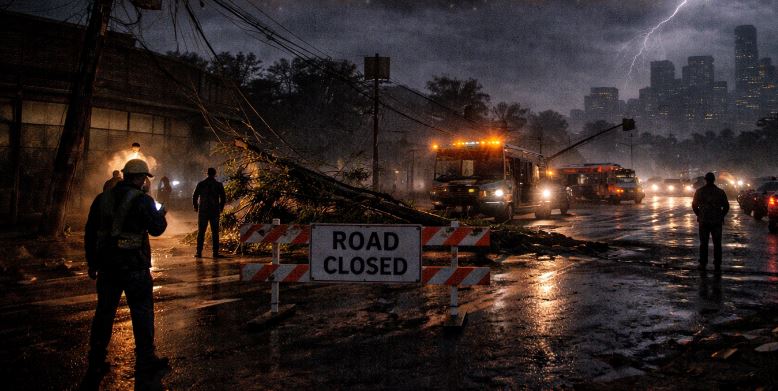
Xcel Energy is monitoring extreme wind forecasts that could prompt preemptive power shutoffs across Colorado’s Front Range.
Xcel Energy has alerted communities along Colorado’s Front Range to possible temporary power shutdowns as dangerous wind conditions heighten the risk of fast-spreading wildfires.
Residents across parts of Colorado’s Front Range are being urged to prepare for potential power interruptions after Xcel Energy warned that electricity may be deliberately shut off to reduce wildfire risk during a period of forecasted extreme winds. The advisory reflects a growing wildfire prevention strategy in high-risk regions, where utilities may cut power as a last-resort measure to protect lives, property, and critical infrastructure.
According to Xcel Energy, weather models indicate the possibility of strong, sustained winds combined with dry conditions—an especially dangerous combination in areas with dense vegetation and expanding development near wildland zones. Under such circumstances, damaged or downed power lines can become ignition sources capable of triggering fast-moving wildfires.
The Front Range, stretching from northern Colorado through the Denver metropolitan area and into southern communities, has experienced repeated reminders of wildfire vulnerability in recent years. Rapid population growth along foothill regions has placed more homes and businesses closer to fire-prone landscapes, increasing the stakes when hazardous weather patterns emerge.
Preemptive power shutoffs, often referred to as public safety power shutoffs, are designed to eliminate one potential ignition source during periods of extreme risk. While disruptive for customers, utility officials emphasize that these measures are implemented only when the threat level reaches a critical threshold and other mitigation options are insufficient.
Xcel Energy said it is closely monitoring wind speed projections, humidity levels, vegetation conditions, and real-time weather data before making any final decisions. If shutoffs become necessary, they are expected to be targeted rather than widespread, focusing on specific zones where wildfire danger is highest.
For residents, the warning has renewed attention on emergency preparedness. Utility officials are encouraging households to charge electronic devices, prepare backup lighting, and ensure access to essential supplies such as food, water, and medications. Individuals who rely on electrically powered medical equipment are advised to review backup power options and coordinate plans with caregivers.
Businesses, particularly those in rural and foothill communities, may also face challenges if outages occur. Restaurants, grocery stores, and service providers that depend on continuous electricity could experience disruptions ranging from spoiled inventory to interrupted operations. Local business associations have urged owners to review contingency plans and communicate proactively with customers.
Transportation and public safety agencies are factoring potential outages into their planning. Traffic signals, communication systems, and some public facilities could be affected during a shutdown, requiring coordination between utilities, municipalities, and emergency responders to maintain public safety.
Wildfire experts note that Colorado’s fire seasons are becoming longer and less predictable, driven in part by hotter temperatures, prolonged droughts, and erratic wind events. Even outside peak summer months, strong downslope winds along the Front Range can rapidly escalate fire conditions.
The memory of past disasters remains fresh for many communities. Fires such as the Marshall Fire demonstrated how quickly flames can spread under extreme wind conditions, destroying thousands of structures within hours and leaving little time for evacuation.
Across the United States, utility companies are facing growing scrutiny over their role in wildfire prevention. In states like California, utilities have faced legal and financial consequences for fires linked to electrical equipment, accelerating the adoption of preventive shutoff policies. Colorado utilities are now navigating similar pressures while balancing reliability and public safety.
Critics argue that preemptive power shutoffs disproportionately affect vulnerable populations, including the elderly, people with medical needs, and low-income households. Advocacy groups continue to push for long-term solutions such as grid hardening, underground power lines, advanced monitoring systems, and expanded vegetation management.
Xcel Energy has acknowledged these concerns, stating that long-term infrastructure investment remains a core part of its wildfire mitigation strategy. The company has outlined plans to strengthen its power grid and improve fault detection, while conceding that no system can be entirely risk-free under extreme weather conditions.
Clear communication remains central to the shutdown process. Xcel Energy has committed to issuing advance notices through text alerts, emails, automated calls, and local media whenever possible. Customers are encouraged to keep their contact information updated to receive timely warnings.
Emergency management officials stress that residents should not assume power will remain available during extreme weather events. Preparedness, they say, is a shared responsibility between utilities, government agencies, and the public.
As Colorado continues to expand renewable energy generation and electrify transportation and heating, dependence on a resilient power grid is expected to increase. Balancing safety and reliability in an era of climate volatility remains a growing challenge.
For now, Xcel Energy has not confirmed specific dates or locations for potential shutoffs, emphasizing that decisions will depend on real-time weather conditions. Residents across the Front Range are advised to stay informed and take warnings seriously.
By Ekolense International News Desk
Read more on Power Grid Under Pressure: Outages and Preventive Shutdowns Disrupt Communities Across the United States





















Comments