Honolulu Marathon Prompts Widespread Road Closures and Traffic Disruptions Across the City
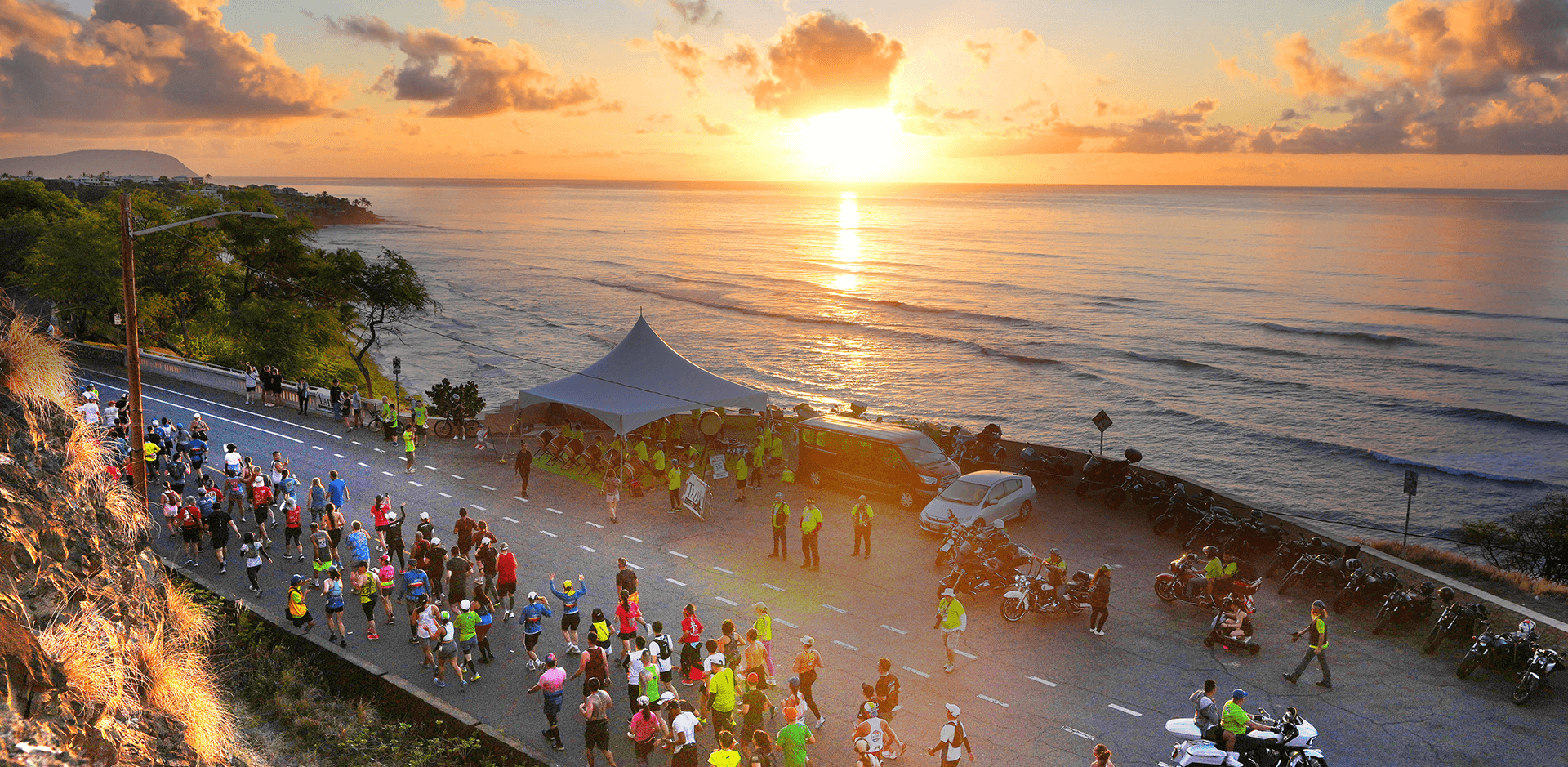
Extensive traffic control measures, lane closures, and tow-away zones are in place for the Honolulu Marathon on December 14, 2025.
Tens of thousands of runners and spectators are expected on Sunday, December 14, as authorities implement extensive traffic control measures, lane closures, and tow-away zones to ensure safety during the annual Honolulu Marathon.
Residents, commuters, and visitors in Honolulu are being urged to plan ahead for extensive road closures, detours, and traffic disruptions on Sunday, December 14, 2025, as the annual JAL Honolulu Marathon takes over large portions of the city. The marathon, which draws tens of thousands of participants from around the world, requires careful traffic management to ensure the safety of runners and spectators alike, as well as to minimize disruption to daily travel.
The marathon is scheduled to begin at 5:00 a.m. from Ala Moana Park, but officials have confirmed that lane closures and other traffic control measures will be in effect much earlier, starting as early as 12:30 a.m. Tow-away zones along the race route will prevent vehicles from being parked in restricted areas, with enforcement continuing throughout the morning and into the afternoon. City authorities emphasized that compliance with these regulations is essential to prevent vehicles from being towed and to maintain a safe race environment.
Key Road Closures and Traffic Impacts
The Honolulu Police Department, in coordination with marathon organizers, has released a comprehensive list of affected streets. Major thoroughfares along the race course, including Ala Moana Boulevard, Nimitz Highway, Waialae Avenue, Kalanianaole Highway, and several downtown streets, will be partially or fully closed at various times during the day. These closures are expected to create significant traffic congestion, particularly in urban areas and along popular commuting routes.
Officials advise drivers to avoid the marathon corridor entirely if possible. For those who must travel, alternate routes and careful planning are essential. Traffic management personnel will be stationed at key intersections to facilitate the flow of vehicles around closed streets, but delays are inevitable during peak race hours.
Public Transit Adjustments
Public transportation services will also be affected by the event. TheBus, Honolulu’s primary transit system, will reroute or delay several bus lines that normally travel through the marathon corridor. Shuttle services will be provided at major points, including Kapiolani Park and Ala Moana Center, to assist both runners and spectators in navigating the city efficiently. Riders are encouraged to check updated bus schedules and plan for additional travel time.
Safety Measures for Participants and Spectators
Safety remains a top priority for marathon organizers and city officials. In addition to lane closures and traffic control, there will be emergency response teams stationed along the route, including medical personnel and law enforcement officers. The event also includes a Temporary Flight Restriction (TFR) over certain portions of Honolulu to prevent the use of drones that could interfere with runners or emergency operations.
Spectators are advised to remain behind barricades, use designated viewing areas, and follow instructions from event staff. Parents attending the marathon with children should be particularly vigilant, as crowds can become dense near the start and finish lines.
Community Impact and Preparedness
The Honolulu Marathon is not only a major sporting event but also a significant civic undertaking, requiring coordination among multiple agencies, including the Honolulu Police Department, Department of Transportation Services, and emergency management teams. Residents living along the course are encouraged to move vehicles out of tow-away zones well in advance and to plan for limited access to driveways and streets during the event.
Local businesses in affected areas are also preparing for the marathon’s impact. Many restaurants, shops, and service providers are adjusting operating hours or staffing schedules to accommodate both the influx of visitors and the temporary road restrictions. Hotels near the start and finish lines expect higher-than-average foot traffic, and some have advised guests to arrive early or use alternate transportation methods.
Advice for Drivers
- Leave early to account for delays caused by closures.
- Use alternate routes whenever possible, avoiding marathon corridors entirely.
- Check tow-away signs and restrictions to avoid fines or vehicle removal.
- Consider public transportation or shuttles as a reliable option to reach destinations near the course.
- Remain patient and courteous, as officers and volunteers work to maintain safety for everyone involved.
Expected Marathon Schedule and Completion Times
The Honolulu Marathon’s staggered start ensures a smooth flow of runners, with elite athletes and early starters beginning at 5:00 a.m. Recreational runners follow in waves throughout the morning, gradually stretching the field along the racecourse. Roadways are expected to begin reopening gradually after mid-morning, although some stretches may remain under traffic control until approximately 5:00 p.m., depending on the progress of the race and cleanup operations.
Officials also reminded participants to stay hydrated and follow race safety guidelines, as temperatures can fluctuate and weather conditions may vary throughout the day. Emergency medical stations will be available along the route to assist any runners in need.
Historical Context
The Honolulu Marathon, one of the largest and most well-known marathons in the United States, has been held annually since 1973. It is recognized not only for its competitive field but also for its community engagement, scenic coastal course, and charity fundraising efforts. Over the decades, the marathon has attracted tens of thousands of participants, from elite international athletes to first-time recreational runners, creating a vibrant festival atmosphere throughout the city.
As Honolulu prepares for Sunday’s marathon, city authorities continue to emphasize the importance of early planning, awareness of traffic changes, and adherence to safety protocols. The event serves as a reminder of the coordination and preparation required to host a large-scale sporting event while minimizing disruption to daily life. Residents and travelers alike are encouraged to stay informed through local news outlets, official social media channels, and city announcements to ensure smooth navigation on race day.
The 2025 Honolulu Marathon promises excitement, athletic achievement, and community celebration, but it also demands patience, preparation, and cooperation from drivers, residents, and spectators. With proper planning and adherence to traffic advisories, the city can enjoy a safe, successful marathon while minimizing inconvenience for all who call Honolulu home.
By Ekolense International Desk














Comments