Seattle Power Failure Leaves Thousands in the Dark, Disrupting Daily Life Across the City
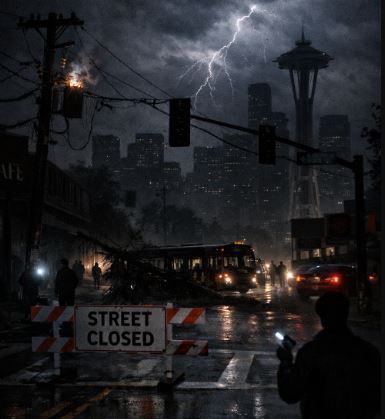
More than 16,000 customers lost electricity across Seattle following an internal equipment failure at City Light.
A sudden equipment malfunction at Seattle City Light cut power to over 16,000 customers, disrupting traffic, businesses, and daily routines across multiple neighborhoods.
Seattle experienced a major disruption to daily life after a large-scale power outage left more than 16,000 customers without electricity, highlighting the vulnerability of urban infrastructure to sudden technical failures. The outage affected several neighborhoods and was traced to an internal equipment malfunction within Seattle City Light’s distribution system, according to utility officials.
The loss of power unfolded rapidly, catching residents and businesses off guard. Homes were plunged into darkness, office operations stalled, and traffic conditions worsened as signal lights at key intersections stopped functioning. City authorities urged motorists to treat dark intersections as four-way stops, warning that failure to do so could increase the risk of accidents.
For many households, the outage extended beyond inconvenience. Families relying on electricity for heating, cooking, remote work, and communication were forced to adapt quickly. In several residential areas, residents reported searching for flashlights, charging portable power banks, and monitoring updates through battery-powered devices while awaiting restoration.
Small businesses across affected zones faced immediate challenges. Cafés, restaurants, and retail stores dependent on electricity for lighting, refrigeration, and point-of-sale systems were compelled to limit services or close temporarily. Food vendors expressed concern about perishable inventory, particularly as uncertainty over restoration timelines grew.
Seattle City Light confirmed that repair crews were dispatched promptly after the malfunction was detected. However, officials cautioned that restoring service required careful diagnosis and isolation of the damaged equipment, making it difficult to provide exact timelines in the early stages of the response.
Communication played a central role in managing public response. The utility relied on online outage maps and social media channels to issue updates, though some customers voiced frustration over the lack of precise estimates. In a technology-driven city, prolonged uncertainty heightened anxiety for residents dependent on home medical equipment or remote connectivity.
Transportation systems were also affected. With traffic signals disabled in multiple locations, congestion increased during busy periods. Pedestrians and cyclists faced added risks as traffic patterns became unpredictable. The Seattle Department of Transportation worked alongside law enforcement officers to manually control traffic at the most heavily impacted intersections.
Emergency services reported no major incidents directly linked to the outage, but officials emphasized that outages of this scale carry inherent risks. Fire and medical responders remained on heightened alert for elevator entrapments, electrical malfunctions, and calls involving vulnerable individuals.
The outage has renewed debate about the resilience of Seattle’s power infrastructure. While the city has made substantial investments in renewable energy and sustainability initiatives, experts note that aging equipment and rising demand continue to place pressure on the grid. Even modern systems, they say, are not immune to sudden failures.
Energy analysts point out that Seattle’s experience reflects a broader national challenge. Across the United States, increased electricity demand driven by population growth, electric vehicles, and digital infrastructure is testing aging power systems. Equipment-related failures are becoming more frequent, even outside periods of extreme weather.
For residents, the blackout served as a reminder of electricity’s central role in everyday life. From mobile communication and security systems to basic household functions, short-term outages can have outsized impacts. Some residents said the incident prompted them to reassess emergency preparedness plans.
City officials have indicated that a full review will be conducted once service is fully restored. The investigation will examine the precise cause of the equipment failure, assess maintenance practices, and identify upgrades needed to reduce the risk of similar disruptions in the future.
Seattle City Light reiterated its commitment to reliability and safety, noting that widespread outages remain relatively rare. Nonetheless, the utility acknowledged that each incident offers lessons that can strengthen operational resilience and response strategies.
As electricity was gradually restored, community responses reflected both frustration and solidarity. Neighbors shared charging resources, checked on one another, and exchanged information through local networks, briefly turning the blackout into a moment of collective resilience.
The incident leaves behind important questions about preparedness, communication, and long-term infrastructure investment. For a city known for innovation and technological leadership, ensuring a reliable power supply remains a critical priority.
By Ekolense International News Desk
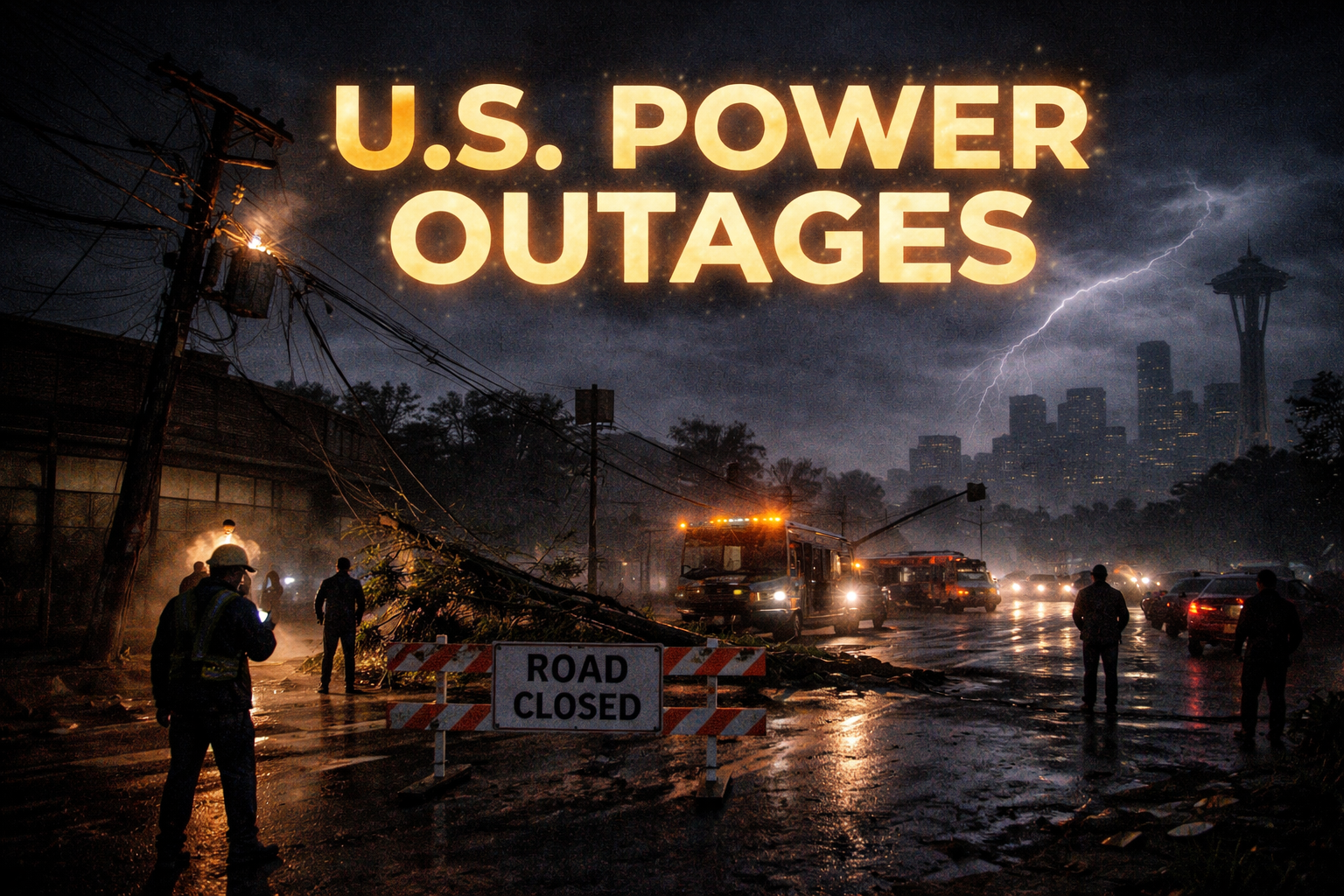
Read more on Power Grid Under Pressure: Outages and Preventive Shutdowns Disrupt Communities Across the United States





















Comments