Myanmar Military Air Strike on Hospital Claims 31 Lives in Rakhine State
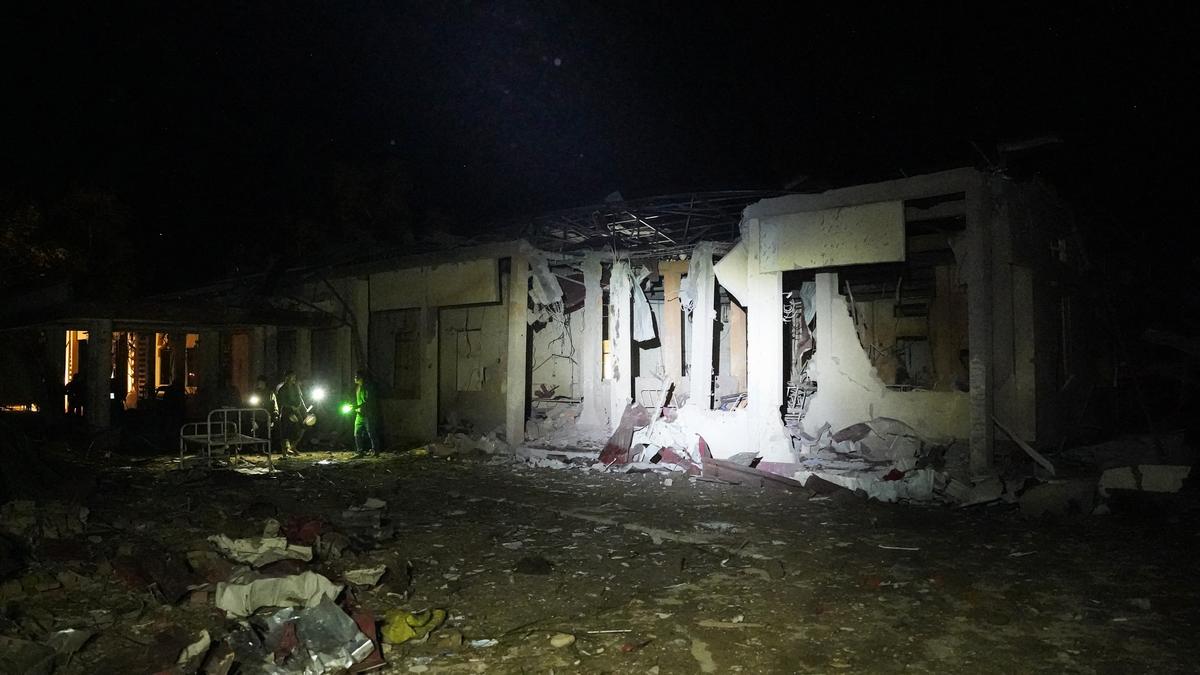
The military air strike destroyed critical infrastructure at Mrauk-U hospital, leaving dozens dead and many injured.
Aerial bombardment by the ruling junta hits Mrauk‑U hospital, raising alarm over civilian safety amid ongoing conflict in Myanmar.
In a shocking escalation of violence in Myanmar, the country’s military junta carried out an air strike on a hospital in Mrauk‑U, Rakhine State, on December 10, 2025, killing at least 31 people and injuring dozens more. The strike, which targeted a medical facility serving civilians in the region, has drawn international condemnation and renewed concern over the protection of noncombatants amid Myanmar’s ongoing civil conflict.
According to on-site aid workers, the hospital was directly hit by munitions dropped from a military jet in the evening hours. “It was devastating,” said Wai Hun Aung, a volunteer working in Mrauk‑U. “The hospital was overwhelmed with casualties, and bodies were lying outside the facility. This is not just a loss of life; it is a profound blow to the community’s access to medical care.” Local reports indicate that at least 68 additional individuals were injured, many critically, and the number of casualties could rise as rescue efforts continue and more victims are identified.
The strike comes in a period of heightened military activity in western Myanmar, where the Arakan Army, an ethnic minority insurgent group, has maintained control over certain areas of Rakhine State. The junta has intensified air operations in the region in a bid to reassert control over territories held by ethnic armed groups. Analysts note that attacks on civilian infrastructure, including medical facilities, have become increasingly common, putting thousands of noncombatants at risk.
Myanmar’s military seized power in a 2021 coup, ending a decade-long experiment with civilian governance. Since then, the country has been engulfed in widespread civil unrest, with armed resistance growing across multiple regions. The current air strike underscores the persistent dangers faced by civilians in conflict zones, especially in areas controlled or contested by ethnic armed groups.
Hospitals are protected under international humanitarian law, which prohibits attacks on medical personnel and facilities during armed conflict. Nevertheless, violations have been frequent in Myanmar, leading to increasing concerns from human rights organizations and humanitarian agencies. Aid workers warn that the destruction of healthcare infrastructure not only causes immediate casualties but also severely disrupts medical services for months, leaving vulnerable populations without care.
The Mrauk‑U hospital, located near the border with Bangladesh, provides essential healthcare for both urban residents and surrounding rural communities. Reports from the scene describe the hospital as largely destroyed, with walls collapsed and medical equipment rendered unusable. The immediate aftermath saw emergency responders struggling to evacuate the wounded amid continued threats of military air activity.
Local witnesses report that families rushed to the hospital to search for loved ones after the strike, while volunteers and humanitarian workers scrambled to provide basic medical attention and organize transport to nearby facilities. Hospitals in the region are already operating under severe resource constraints due to the ongoing conflict, and this attack has compounded the crisis, leaving medical personnel stretched beyond capacity.
Experts note that the timing of the air strike is particularly concerning as Myanmar is approaching national elections scheduled for late December 2025. The junta has reportedly increased military operations ahead of the elections, targeting areas with strong ethnic minority presence. International observers warn that such attacks could destabilize the electoral process, create mass displacement, and exacerbate humanitarian challenges in conflict-affected areas.
In addition to immediate human suffering, the strike has broader implications for regional stability. Rakhine State has long been a flashpoint in Myanmar’s multi-ethnic conflicts, and recent military escalations risk spilling over into neighboring regions. Cross-border humanitarian groups have expressed concern about the potential for refugee flows into Bangladesh and the strain on resources in border areas.
The humanitarian response to the attack has been swift but hampered by security concerns and limited access. Aid agencies are attempting to deliver food, medical supplies, and trauma support to affected families. However, ongoing military operations and the risk of further air strikes make it extremely challenging to reach all those in need. Humanitarian workers also report difficulties in obtaining accurate casualty figures due to restricted access to affected areas.
International reactions have been immediate. Human rights organizations have condemned the attack, calling it a “flagrant violation of international law” and urging the Myanmar military to respect the protections afforded to civilian populations and medical facilities. The United Nations and several governments have called for an independent investigation into the strike and for accountability for those responsible.
The psychological impact on survivors and the broader community is profound. Children, families, and hospital staff have been traumatized by witnessing the destruction of a facility meant to provide care and safety. Mental health experts warn that such events can have long-term effects on the social and emotional well-being of affected populations, particularly in areas already facing chronic instability and limited access to psychological support.
This air strike also raises questions about the effectiveness of international monitoring mechanisms in conflict zones. Despite ongoing reports of violations, the junta has continued military operations largely unimpeded, highlighting the limitations of diplomatic pressure and monitoring in enforcing compliance with humanitarian norms. Analysts argue that without sustained international engagement, attacks on civilians and essential infrastructure are likely to continue.
In Myanmar, health services have been a repeated target of conflict. Previous reports indicate that air strikes, artillery shelling, and ground operations have damaged hospitals, clinics, and medical supply chains, further straining the healthcare system. Communities in conflict zones often face shortages of doctors, nurses, and essential medicines, making attacks on medical facilities particularly devastating.
As the country faces this latest tragedy, local authorities and aid organizations are calling for urgent measures to protect civilians. Recommendations include immediate ceasefire agreements in conflict-prone areas, the establishment of humanitarian corridors, and enhanced monitoring of military operations by neutral international bodies. Protecting hospitals, schools, and civilian settlements is critical to mitigating the human cost of the conflict.
The air strike in Mrauk‑U serves as a stark reminder of the human toll of Myanmar’s prolonged civil unrest. While political negotiations continue at various levels, civilians remain trapped in the crossfire. Ensuring that medical facilities, schools, and communities are safeguarded must remain a priority for the junta, local authorities, and the international community.
In the coming weeks, authorities and humanitarian organizations will continue assessing the full impact of the strike, providing medical care, psychological support, and essential services to survivors. The international community will likely increase scrutiny of Myanmar’s military actions and consider additional measures to enforce compliance with international law.
For the families of the victims, the tragedy is deeply personal. Survivors, including hospital staff and patients, have expressed grief and anger over the loss of life and destruction of a place of healing. As Myanmar grapples with the continuing conflict, the hope for accountability and protection of civilians remains a critical yet challenging pursuit.
The Mrauk‑U hospital air strike, with its devastating human cost, underscores the urgent need for stronger safeguards for civilians and healthcare infrastructure in conflict zones. It highlights the stark reality of Myanmar’s ongoing crisis, where the intersection of political turmoil, military aggression, and ethnic conflict continues to threaten lives and communities.
By Ekolense International News Desk














Comments