Putin’s Missile Barrage on Odesa Port Shocks World Amid Fragile Peace Talks
Ekeoma Nwosu | 2025-12-20 | International Relations
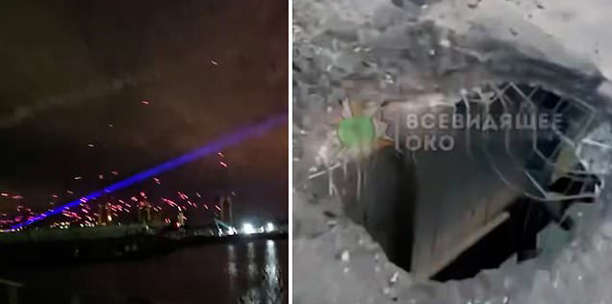
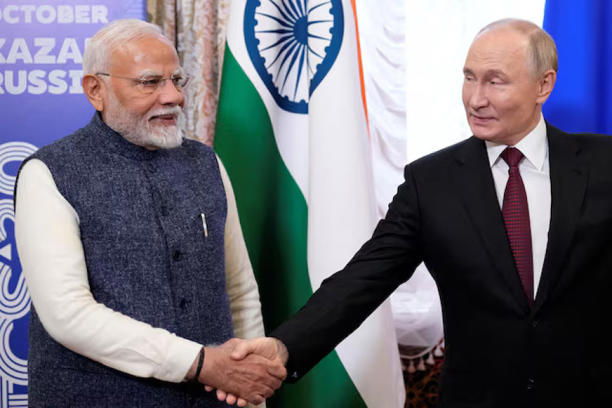
Vladmir Putin - Russia President's missiles to Odesa, Ukraine.
A deadly Russian ballistic missile attack on Ukraine’s critical Black Sea port kills and wounds civilians — testing global peace initiatives and escalating the Ukraine‑Russia war.
In a sobering escalation of the nearly four‑year conflict between Russia and Ukraine, a Russian ballistic missile strike on port infrastructure in the Odesa region of southern Ukraine killed at least eight people and wounded dozens more, Ukrainian officials said early Saturday. The assault struck at a critical logistics hub deep within Ukraine’s Black Sea export network even as Western‑led peace negotiations were underway, highlighting the stark contrast between battlefield violence and diplomatic efforts to end the war.
Deadly Strike on Civilian‑Linked Port Facilities
The attack unfolded late on December 19 and into December 20, 2025, when Russian forces fired ballistic missiles at port infrastructure in and around Odesa, one of Ukraine’s most strategically important commercial seaports. The missiles hit freight handling areas and adjacent transport zones, causing explosions that ignited fires among parked cargo trucks and damaged civilian vehicles. The strike site was near spaces used for day‑to‑day logistics operations, illustrating the continued danger to civilian lives when military hardware hits shared economic infrastructure.
According to Ukraine’s State Emergency Service, eight people were killed and 27 others were wounded, with several victims — including some of those injured — being passengers on a bus caught directly in the blast zone. Many of the wounded were rushed to nearby hospitals for urgent treatment under ongoing air raid warnings, complicating rescue operations amid chaos and black smoke rising from burning freight lots.
The port area’s freight traffic is a lifeline for Ukraine’s export economy, handling large volumes of agricultural goods, industrial freight, and commerce that feed both domestic markets and global supply chains. This makes infrastructure in the region a high‑value target in the broader conflict, but also a place where civilian traffic frequently converges with commercial operations. The conflation of civil and economic activity has tragically amplified casualties when combat strikes infrastructure hubs.
Infrastructure Damage and Disruption
Damage from the strike was visible almost immediately after dawn, with charred remains of freight trucks, crumpled metal containers, and destroyed equipment littering the port logistics zones. Fire crews and emergency responders worked under heightened air threat conditions to extinguish blazes and secure the area, prioritizing the safety of remaining workers and civilians. In addition to human casualties, local authorities noted that significant infrastructure — including warehouses and cargo handling zones — were damaged or destroyed, slowing port operations and requiring substantial future repair.
Such damage has economic ramifications beyond immediate repair costs. Analysts note that disrupting Odesa’s port capacity, even temporarily, can ripple through global commodity markets — particularly grain and agricultural exports, where Ukraine has been a major supplier to markets in Africa, the Middle East, and Asia. Disruptions jeopardize supply chains and raise fears of price volatility in international food markets already sensitive due to ongoing war pressures.
Timing Against Diplomatic Efforts
What has drawn particular global attention is the timing of this strike. The attack came as peace negotiations, brokered by U.S. and European officials, were underway in Miami, Florida, involving envoys from Ukraine, Russia, and their diplomatic backers. These talks have focused on frameworks to end hostilities, include possible security guarantees for Kyiv, and explore how to move toward a durable ceasefire.
Despite assertions in international fora that Russia had shown some willingness to engage diplomatically, this missile strike undercuts narratives of cooperation. It occurred even as Russian and Western negotiators — including a Kremlin envoy — were engaged in discussions aimed at charting a path to peace. The explosive divergence between diplomatic engagement and battlefield actions has raised questions among analysts about whether Moscow is leveraging military pressure to extract concessions at the negotiating table.
U.S. officials involved in the talks have emphasized that diplomacy remains the most viable route to ending the war but have acknowledged that sustained military violence complicates trust‑building. Senior Ukrainian leaders have likewise said they will only participate in negotiations that respect Ukraine’s territorial integrity and sovereignty — a stance at odds with Russian territorial claims and demands for concessions in regions it occupies.
Broader Military Context
In the months leading up to this strike, there has been a notable intensification of cross‑border attacks from both sides. Russian operations have targeted not only Odesa region infrastructure but also energy grids, rail systems, and civilian power supplies across multiple Ukrainian territories. At the same time, Ukraine has expanded its counteroffensive tactics, including drone strikes on Russian vessels, energy platforms, and military positions far beyond its borders.
This wider escalation suggests that both militaries are seeking tactical advantages even as diplomatic pressure mounts. Russia’s repeated strikes on logistics nodes like ports and energy facilities aim to degrade Ukraine’s economic and military sustainment capacity, especially as winter deepens and civilian resilience is tested. Meanwhile, Ukrainian counterstrikes on Russian infrastructure — including oil rigs and naval assets — are intended to constrain Moscow’s war finance and supply capabilities.
Civilian and Global Implications
The direct impact on civilians has been acute. Local authorities in the Odesa region reported that rescue teams struggled under air raid alarms to reach wounded individuals and evacuate survivors. Families of victims have called for increased international efforts to protect civilian lives and infrastructure amid what they describe as “indiscriminate” attacks.
International humanitarian organizations have expressed concern that continued attacks on critical infrastructure — especially around population centers — will worsen humanitarian conditions, particularly in winter when power, transport, and supply chains are vital for health and survival. Experts warn that without stronger protections, civilian casualties and displacement could rise further as hostilities continue.
Global markets are also watching the fallout. With Ukraine among the world’s top exporters of grain and other commodities, disruptions at key ports raise alarm over food security and global supply stability, especially for regions heavily reliant on imports. Trade analysts stress that the strike on Odesa’s port — at the height of export demand — could contribute to price increases and shipping delays that affect thousands of businesses worldwide.
Uncertain Peace Prospects
As diplomats continue negotiations and analysts parse the strategic implications of the latest strike, the prospects for an immediate ceasefire remain uncertain. The contrast between talks aimed at reducing hostilities and the intensity of military actions on the ground suggests that, without substantial compromises from both sides, substantive peace agreements may take longer to achieve.
Moscow’s willingness to escalate militarily while claiming openness to dialogue has prompted debate among scholars and foreign policy experts about whether Russia is using force as leverage. In contrast, Kyiv’s insistence on full territorial respect underscores deep mistrust that could slow negotiation progress absent significant external diplomatic pressure.
For now, the residents of the Odesa region — and the wider Ukrainian populace — brace for continued uncertainty as war and diplomacy proceed on parallel, often conflicting paths. The international community remains focused on the next steps in peace talks, even as the realities of war continue to shape lives, economies, and global geopolitics around this long‑running conflict.

















Comments