UK Sounds Alarm on West African Democracy as Guinea‑Bissau Coup and Benin Mutiny Expose Regional Fragility
Ekeoma Nwosu | 2025-12-20 | International Relations
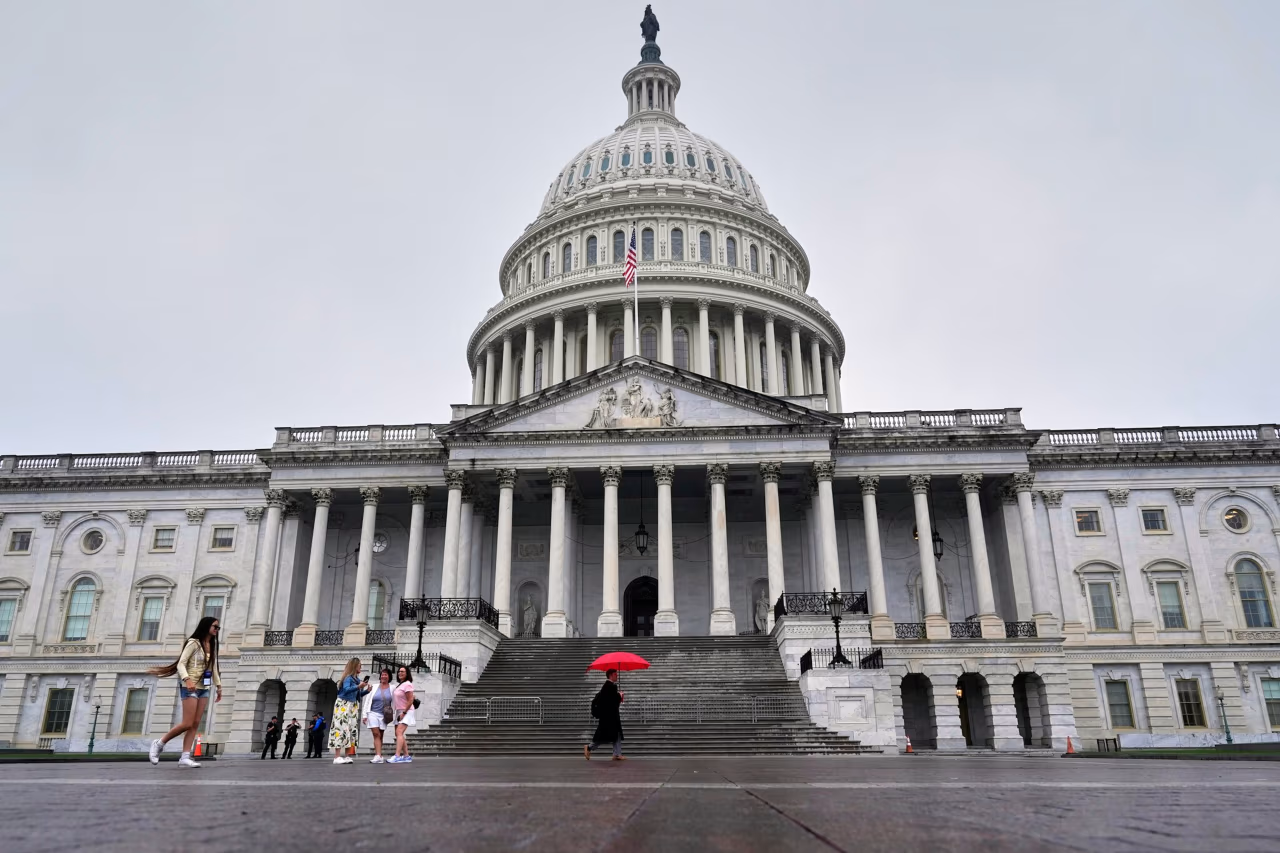
The United Kingdom.
London urges immediate constitutional restoration and stronger regional cooperation as two West African states reel from power grabs and political shake‑ups.
The United Kingdom has issued a forceful appeal for democratic stability across West Africa, denouncing a successful military takeover in Guinea‑Bissau and an attempted coup in Benin that have underscored mounting political volatility in a region already grappling with governance challenges. Speaking on behalf of the UK at a United Nations Security Council session focused on West Africa and the Sahel, Jennifer MacNaughtan, the UK’s Minister Counsellor, articulated London’s concerns and expectations for swift corrective action.
MacNaughtan’s remarks on 18 December 2025 framed both incidents not as isolated disruptions but as part of a broader threat to democratic norms and constitutional order that, if unaddressed, could weaken institutional legitimacy across the region. The UK condemned both the November military takeover in Guinea‑Bissau and the early December mutiny in Benin, urging immediate steps toward restoring democratic governance.
Guinea‑Bissau: Coup Shakes Democratization Efforts
In Guinea‑Bissau, troops ousted President Umaro Sissoco Embaló following controversial elections held on 23 November 2025. After days of tension and delayed official results, the High Military Command declared control of the country, dissolving state institutions and suspending constitutional processes. The move came as a stark reversal for a country that has repeatedly struggled with political upheavals since its independence, now marking one of the region’s most destabilising power shifts in recent months.
Regional bodies, including the Economic Community of West African States (ECOWAS), moved quickly to reject the junta’s transition plan, suspend Guinea‑Bissau from its decision‑making bodies, and demand a return to constitutional governance. ECOWAS leaders, convening in Abuja, emphasised the need for inclusive dialogue, the release of detainees, and cooperation with international mediators.
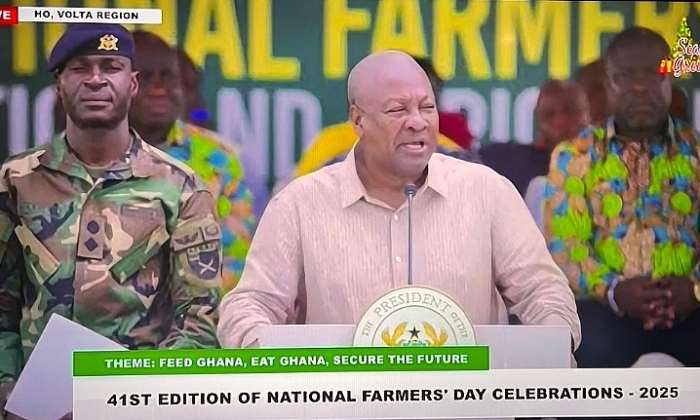
Ghana, a key West African democracy, also condemned the takeover in no uncertain terms, decrying the interruption of the electoral process and insisting that disputes over election results be resolved peacefully and lawfully. Accra’s statement emphasised concern for democratic progress and citizens’ rights in the face of military intervention.
Quick Response to Thwarted Coup Attempt
Just weeks later, Benin — long regarded as one of West Africa’s more stable democracies — experienced a sudden and dramatic challenge to its constitutional order. On 7 December 2025, a faction of soldiers announced on national television that they had seized power, dissolved the government, and suspended the constitution. Loyalist forces, backed by rapid response from regional allies, quelled the mutiny within hours, restoring control to government institutions and securing the safety of President Patrice Talon.
Although the government insists the episode was an isolated “mutiny” rather than a widespread coup, the incident highlighted deep undercurrents of institutional fragility. Benin’s Ambassador to the UN, Marc Hermanne Gninadoou Araba, told the Security Council that the attempt reflected broader governance weaknesses affecting multiple West African states — although the president later played down the incident as the work of marginal actors with no popular backing.
Regional and continental organisations, including the African Commission on Human and Peoples’ Rights, also condemned the attempted forceful seizure of power in Benin, framing such unconstitutional acts as threats to human rights and democratic progress. Nigeria’s Ministry of Foreign Affairs echoed these sentiments, highlighting the attempted overthrow as a direct attack on democracy and applauding the swift actions of Beninese forces that repelled the insurgents. Abuja reaffirmed its commitment to democratic principles and called on ECOWAS member states to stand united in protecting constitutional order.
UK Stance and Broader Regional Challenges
In her UN address, MacNaughtan stressed that these episodes of political instability erode democratic norms and imperil the institutional gains made across West Africa over decades. The UK urged the publication of official electoral results in Guinea‑Bissau, the immediate release of political detainees, and rapid steps to rebuild democratic frameworks in both countries.
Beyond these immediate concerns, MacNaughtan highlighted the need for enhanced regional cooperation to confront long-term security threats — including terrorism, organised crime, and the impacts of climate change — which are compounding governance challenges from Mali to Burkina Faso and beyond. She praised ongoing efforts to build regional peacekeeping capabilities and noted positive examples of cross-border cooperation, such as Nigeria and Cameroon’s implementation of an International Court of Justice ruling on disputed boundaries.
The UK also drew attention to the humanitarian crisis in the central Sahel, where over 12 million people are expected to require urgent assistance in 2026, further underscoring how political instability and security crises have cascading effects on human welfare. MacNaughtan called for unobstructed humanitarian access to vulnerable populations and reiterated London’s support for international and regional peacebuilding efforts.
Regional Implications and the Path Ahead
West Africa has in recent years become a focal point of global concern as coups, attempted coups, and constitutional disruptions have proliferated. Analysts and diplomats at the United Nations have warned that these events reflect not merely isolated power struggles but deep-seated institutional weaknesses, including governance reforms perceived as exclusionary, economic frustrations, and weakening democratic norms.
ECOWAS, the African Union, and UN partners face a complex task: balancing strong condemnation of unconstitutional changes in government with proactive measures to strengthen democratic institutions, uphold the rule of law, and respond to citizen demands for transparency and governance reform. What happens in Guinea‑Bissau and Benin in the coming weeks — whether through inclusive political dialogue or renewed tensions — could shape the future of democracy in West Africa and test the resilience of regional cooperation frameworks.












Comments