Elon Musk Reclaims the World’s Biggest Payday as Tesla Deal Is Revived
Ekeoma Nwosu | 2025-12-20 | Business
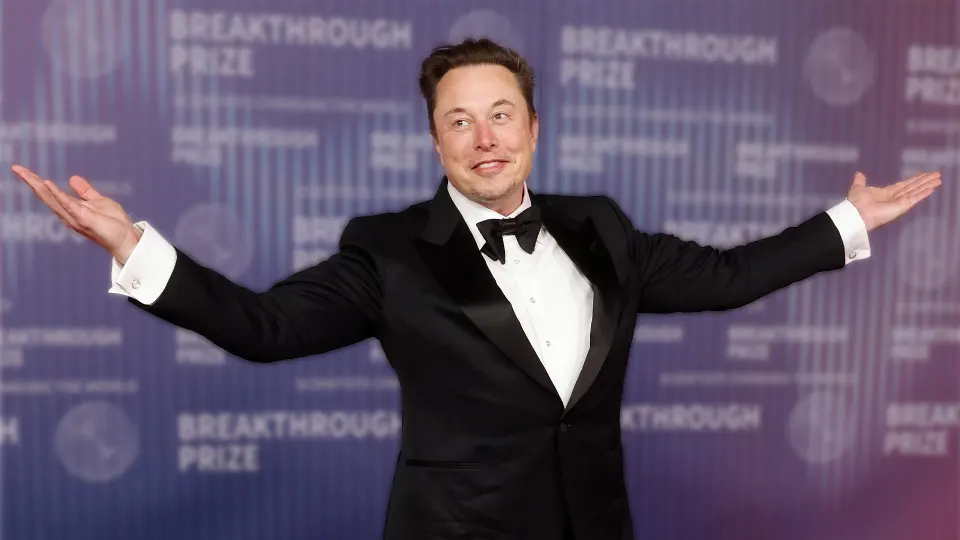
Elon Musk - World’s Richest Man.
Court victory unlocks a once-scrapped compensation plan now valued at about $140 billion, reshaping the debate over executive pay and corporate power
Elon Musk has secured one of the most extraordinary compensation awards in modern corporate history, reclaiming a Tesla pay package whose value has swelled to an estimated $140 billion. The decision marks a dramatic turnaround after months of legal uncertainty and places the world’s richest entrepreneur back at the center of an intense global debate over executive rewards, shareholder rights, and the balance of power inside corporate boardrooms.
The compensation plan at the heart of the dispute dates back to 2018, when Tesla’s board approved a bold, unconventional pay structure for Musk. Rather than a traditional salary or cash bonus, the agreement offered Musk a series of stock options tied to aggressive performance targets. These milestones focused on Tesla’s market capitalization, revenue growth, and profitability—benchmarks many critics at the time described as overly ambitious, if not unrealistic.
Musk ultimately surpassed those targets. Under his leadership, Tesla transformed from a niche electric-vehicle manufacturer into one of the most valuable carmakers in the world, redefining investor expectations for the automotive and clean-energy sectors. As Tesla’s share price surged, the once-theoretical value of Musk’s compensation ballooned into tens of billions of dollars, making it the largest executive pay package ever conceived.
However, the deal soon became the subject of fierce legal challenge. Shareholders filed suit, arguing that Tesla’s board was too closely aligned with Musk and failed to negotiate the agreement at arm’s length. They also claimed investors were not adequately informed before approving the package, raising concerns about transparency and corporate governance.
Earlier this year, a lower court sided with the plaintiffs, scrapping the compensation plan entirely. The ruling sent shockwaves through Silicon Valley and Wall Street alike. For Musk, it meant the potential loss of a payout tied directly to Tesla’s meteoric rise—despite having met every performance benchmark set out in the agreement.
Tesla appealed the decision, warning that invalidating the deal after the fact would undermine shareholder democracy and discourage visionary leadership. Supporters of Musk argued that the package was approved by investors, transparently disclosed, and entirely performance-based, making it a rare example of pay aligned with long-term value creation.
The appellate ruling reversed the earlier decision, restoring the compensation plan and effectively clearing Musk to claim the stock options. While the court acknowledged procedural flaws in how the deal was originally structured, it stopped short of cancelling the agreement, instead concluding that wiping out the compensation altogether would be disproportionate given the outcomes achieved.
With Tesla’s valuation far exceeding what it was in 2018, the reinstated package is now worth an estimated $140 billion on paper. The figure is staggering—not only because of its size, but because it eclipses the annual budgets of many countries and dwarfs executive compensation norms across industries.
The ruling carries implications well beyond Musk and Tesla. It reinforces the idea that shareholders, not courts, should have the final say in approving executive compensation—particularly when performance targets are met. At the same time, it raises uncomfortable questions about income inequality, corporate oversight, and whether any individual contribution can justify such vast personal wealth.
Critics argue that even performance-based mega-packages distort incentives and concentrate too much power in the hands of a single executive. They warn that boards may feel emboldened to propose similarly outsized rewards, confident that shareholder approval will shield them from legal scrutiny. Governance advocates also point to the close relationships between Musk and Tesla’s directors as a cautionary tale about board independence.
Supporters counter that Musk’s impact on Tesla—and on the global electric-vehicle market—has been transformational. They note that the compensation cost Tesla no cash, diluted shareholders only after massive value creation, and rewarded results rather than promises. From this perspective, the package represents a high-risk, high-reward bet that paid off spectacularly.
The timing of the decision is also notable. Tesla has faced growing competition, margin pressure, and questions about its long-term growth trajectory. Musk’s renewed financial stake may reassure investors that he remains committed to the company’s future, even as he divides his attention among multiple ventures spanning artificial intelligence, space exploration, and social media.
Beyond Tesla, the ruling may influence how companies structure executive pay in the years ahead. Expect more emphasis on long-term performance metrics, clearer shareholder disclosures, and legal safeguards designed to withstand judicial scrutiny. Boards are likely to tread carefully, balancing the desire to attract visionary leaders with the need to demonstrate independence and accountability.
For Musk, the victory is both symbolic and practical. It restores a compensation package he has long argued he earned through relentless execution and risk-taking. It also reinforces his image as a figure who defies convention—often courting controversy, but repeatedly reshaping industries in the process.
Whether the decision is remembered as a triumph of shareholder capitalism or as a warning sign of excess will depend on what comes next. As Tesla navigates an increasingly competitive landscape, the ultimate verdict may rest not in the courtroom, but in the company’s ability to sustain growth, innovation, and public trust under the leadership of its now-vindicated CEO.














Comments