Nigeria Federal Government Honours Fallen Soldiers at Armed Forces Remembrance
Ekolense International Desk | 2026-01-14 | Nigeria News
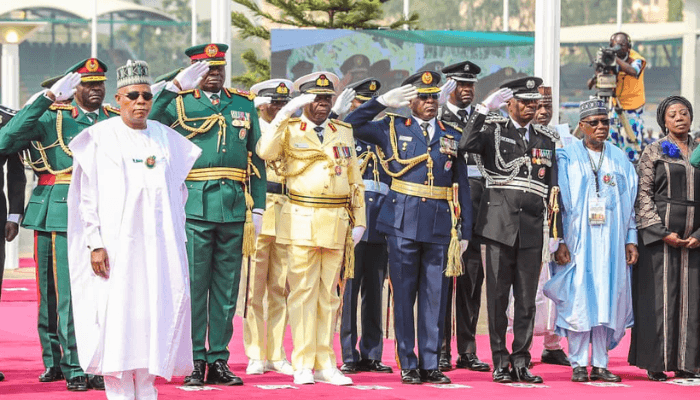
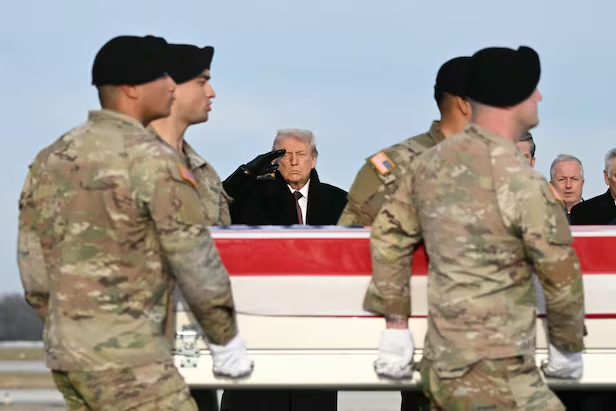
Nigerian military officers and families gather in Abuja for the 2026 Armed Forces Celebration and Remembrance Day.
Federal Government recognises gallantry, sacrifice, and service as Nigeria remembers its fallen military heroes in Abuja
The Federal Government has formally honoured fallen and serving members of the Nigerian Armed Forces, conferring national honours and special military awards on officers and soldiers whose courage, innovation, and sacrifice have significantly shaped the country’s security efforts. The recognition ceremony formed a major highlight of the 2026 Armed Forces Celebration and Remembrance Day activities held in Abuja, bringing together senior government officials, military leaders, veterans, and families of fallen heroes.
At the heart of the event was a solemn acknowledgment of soldiers who lost their lives in the line of duty while defending Nigeria against terrorism, insurgency, and other security threats. Among the most prominent honourees was the late Brigadier General Musa Uba, who received a posthumous gallantry award for his leadership and bravery during counter-insurgency operations in the North-East. His honour symbolised the sacrifices made by officers who remain at the forefront of Nigeria’s prolonged fight against violent extremism.
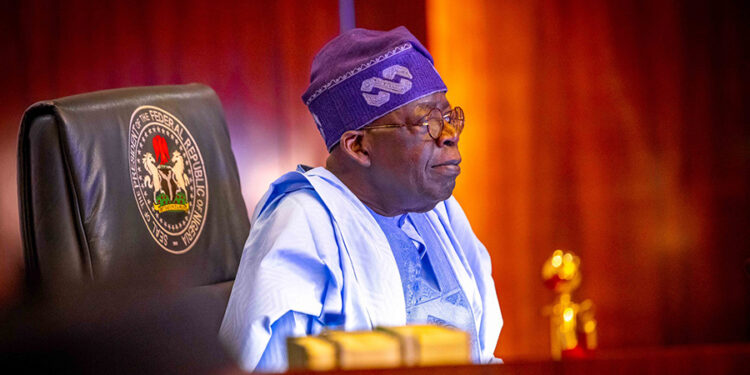
The ceremony, held at the State House Banquet Hall, underscored the government’s message that the sacrifices of military personnel would not be forgotten. Representing President Bola Ahmed Tinubu, senior government officials emphasised that honouring the armed forces was both a national duty and a moral responsibility, noting that recognising courage and excellence also inspires serving personnel and strengthens public confidence in the military.
Brigadier General Uba was remembered as an officer who consistently led from the front and paid the ultimate price during operations in Borno State. His death during a military engagement along a key operational route deeply affected both the armed forces and the wider public. By conferring a national honour on him posthumously, the government sought to immortalise his contribution and reassure families of fallen soldiers that their sacrifices are neither forgotten nor ignored.
Beyond fallen heroes, the honours extended to senior officers whose leadership and service have influenced Nigeria’s military operations in recent years. Serving and retired generals were recognised for operational successes, reforms, and strategic initiatives that strengthened the army’s ability to respond to evolving security challenges across different regions of the country.
Several officers received service and sacrifice awards for their roles in major military operations, including counter-terrorism efforts in the North-East, internal security deployments elsewhere, and stabilisation missions aimed at restoring peace and protecting civilians. Their recognition highlighted the complex and multi-dimensional nature of modern military service.
Innovation also featured prominently at the event, with one senior officer honoured for developing a locally adapted security solution that enhanced operational effectiveness in riverine and coastal areas. The recognition reflected the government’s encouragement of creativity and homegrown solutions within the armed forces.
Posthumous awards were presented to other officers who played vital roles in intelligence, surveillance, and reconnaissance before their deaths. These often-unseen contributions were acknowledged as critical to mission success and troop safety, reinforcing the importance of teamwork and collective effort in military operations.
Veterans and retired senior officers were also recognised for long-term contributions to the development of the Nigerian Army, including reforms, training programmes, and international representation. Their honours underscored the idea that national service continues to resonate long after active duty ends.
Families of fallen soldiers attended the ceremony to receive honours on behalf of their loved ones. For many, the recognition offered reassurance that the nation values the sacrifices made. Government officials reiterated commitments to improved welfare and support for military families.
As Nigeria continues to confront security challenges, the Armed Forces Celebration and Remembrance Day remains both a tribute and a call to duty. Through the conferral of national honours, the Federal Government reaffirmed its recognition of courage, sacrifice, and unwavering commitment to the defence of the nation.
Senior defence officials present at the event noted that the Armed Forces Remembrance Day serves not only as a ceremonial occasion but also as a moment of national reflection on the cost of peace and stability. They emphasised that behind every military operation are individuals who place national duty above personal safety, often operating in difficult and unpredictable environments.
The presence of families of fallen soldiers added emotional depth to the ceremony, as moments of silence and tributes were observed in their honour. Many attendees described the atmosphere as both solemn and resolute, reflecting a shared understanding that remembrance must translate into sustained support for those who serve and those left behind.
Military leaders used the occasion to reiterate the importance of professionalism, discipline, and ethical conduct within the armed forces. They stressed that honouring fallen heroes also requires maintaining the values for which they stood, including loyalty to the constitution, respect for civilian authority, and protection of innocent lives.
Observers noted that the recognition of innovation within the military highlights a growing emphasis on adaptability in Nigeria’s security strategy. As threats become more complex and technology-driven, officials said the armed forces must continue to evolve through training, research, and local solutions tailored to Nigeria’s terrain and operational realities.
The ceremony also provided an opportunity to reflect on Nigeria’s participation in regional and international peacekeeping efforts. Several officers recognised at the event have represented the country in multinational missions, contributing to stability beyond Nigeria’s borders while enhancing the nation’s standing within the global security community.
Public reaction to the honours ceremony was largely positive, with many citizens expressing appreciation for the recognition of military sacrifice. Analysts noted that visible acts of national gratitude can help bridge the gap between the armed forces and the civilian population, fostering trust and mutual understanding.
As the event concluded, officials reaffirmed that remembrance must go beyond annual ceremonies. They stressed the need for continuous investment in personnel welfare, equipment, training, and veterans’ care, ensuring that honour is reflected in policy and practice.
The 2026 Armed Forces Celebration and Remembrance Day thus stood as a powerful reminder of the enduring relationship between the Nigerian state and its military. Through remembrance, recognition, and renewed commitment, the nation paid tribute to those who gave their lives and renewed its support for those who continue to stand guard.








Comments