ICE Agents’ Minneapolis Shooting Sparks Outcry and Legal Battles
Ekolense International Desk | 2026-01-14 | World News
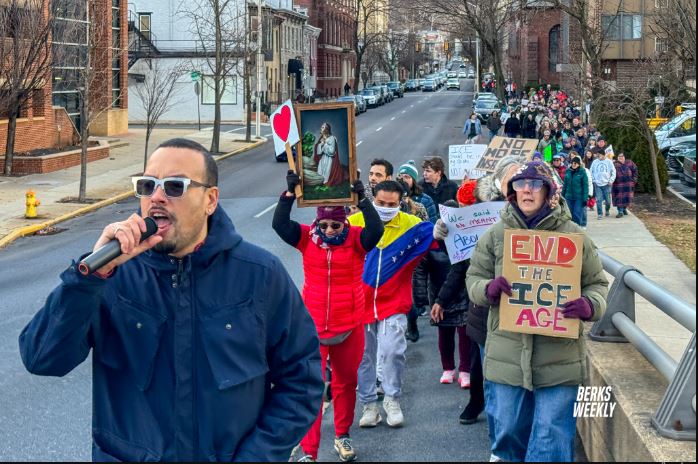
U.S. Immigration and Customs Enforcement (ICE) agents at the center of public protests following the fatal shooting of Renee Nicole Good in Minneapolis.
Fatal shooting ignites protests, lawsuits, and nationwide debate on federal enforcement practices
In a case that has ignited intense national debate and reverberated well beyond Minnesota, a fatal shooting by U.S. Immigration and Customs Enforcement (ICE) agents in Minneapolis has become a flashpoint in discussions over federal immigration enforcement, use of force, civil liberties, and state-federal authority.
On January 7, 2026, 37-year-old American citizen Renee Nicole Good was shot and killed by an ICE agent during a federal enforcement operation in south Minneapolis. Good, a mother of three and resident of the Twin Cities area, was killed when an ICE officer fired multiple shots at her vehicle, according to official reports and widely shared video footage. The event unfolded amid Operation Metro Surge, a massive deployment of federal agents across Minnesota aimed at immigration enforcement and allegations of fraud, which has included thousands of ICE, Customs and Border Protection (CBP), and Homeland Security personnel.
Federal officials, including President Donald Trump and Homeland Security Secretary Kristi Noem, have defended the actions of the ICE agent, asserting the shooting was justified as self-defense — claiming that Good’s vehicle was “weaponized” and posed an imminent threat. But that account has been strongly disputed by eyewitnesses, human rights groups, and local leaders, shaking confidence in federal enforcement and fueling nationwide protests and legal action.
Who Was Renee Nicole Good?
Renee Good was widely described by her family and community as a compassionate and creative individual. Her mother, Donna Ganger, told local reporters that Good lived in the Twin Cities with her partner and was not directly involved in confrontational protest activity at the time of the shooting. Good had relocated to Minneapolis from Kansas City, Missouri and was known as a poet and writer, in addition to being a devoted mother and partner.
Shortly after the incident, Ganger said in emotional comments that her daughter was “one of the kindest people I’ve ever known,” and that social media rumors about criminal activity were false and deeply hurtful. Good’s family issued statements demanding compassion and respect amid the controversy, emphasizing her human story rather than reducing her to a headline.
Conflicting Accounts and Forensic Dispute
The official federal narrative contends that Good intentionally struck or attempted to strike the ICE agent’s vehicle, prompting the use of lethal force. Yet video footage reviewed by journalists and human rights analysts appears to challenge that account. In several clips verified by independent organizations, Good’s vehicle is shown attempting to move away from agents, not accelerating aggressively toward them as described by federal officials.
Human Rights Watch issued a statement calling the killing “unjustifiable,” noting that video evidence contradicts claims that Good posed a fatal threat to officers. “They had guns, we had whistles,” said a quoted witness account released by the group, referencing neighborhood observers who were tracking the federal presence on the street that morning.
Use-of-force experts also weighed in, with some arguing that even if Good’s vehicle moved toward officers, standard policing tactics would not justify deadly force for an uncertain threat, particularly in a residential area. Critics say the shooting violated well-established use-of-force protocols and point to widely shared footage showing Good attempting to disengage from the scene.
Federal Response and Internal Controversy
The U.S. Department of Justice (DOJ) announced that it saw “no basis for a civil rights investigation” into the shooting, a position that stunned many legal observers and civil liberties advocates. Deputy Attorney General Todd Blanche reiterated that federal authorities believed the ICE agent acted within legal bounds, framing the encounter as a rapid decision in a dangerous situation.
The DOJ’s stance has triggered significant internal upheaval. At least a dozen federal prosecutors, including six from the Minneapolis U.S. Attorney’s Office and several from the Civil Rights Division in Washington, have resigned in protest over how the investigation is being handled. Critics of the DOJ leadership have described the refusal to investigate the shooting as part of a broader politicization of justice, undermining public trust in federal oversight mechanisms.
Adding to the discord, the Federal Bureau of Investigation (FBI) has taken sole control of the investigation, revoking Minnesota state investigators’ access to evidence. The Minnesota Bureau of Criminal Apprehension (BCA) withdrew from the probe, stating that without full access to case materials, it could not perform a comprehensive review. This move has intensified state officials’ criticism of federal control of the situation.
State and Local Political Backlash
Minnesota’s Attorney General, Keith Ellison, described the deployment of federal agents as “a federal invasion of the Twin Cities,” accusing ICE and DHS of unconstitutional overreach and excessive force in both the shooting and broader enforcement tactics. Ellison’s office, joined by the cities of Minneapolis and Saint Paul, filed a federal lawsuit seeking to halt Operation Metro Surge — arguing that the surge of armed, masked agents and their conduct violates constitutional rights and public safety norms.
Illinois has filed a similar suit, with Attorney General Kwame Raoul asserting that federal agents have engaged in dangerous and unlawful practices, including warrantless arrests and use of crowd control weapons in residential neighborhoods. Raoul’s complaint asks a court to block certain CBP and ICE enforcement actions across the state.
Public Protests and Demonstrations
Across Minneapolis and other U.S. cities such as Chicago, New York, and Washington, D.C., protests erupted in the immediate aftermath of Good’s death. Tens of thousands of demonstrators marched under chants such as “Abolish ICE” — a slogan that has gained traction among activists critical of federal immigration enforcement — demanding justice for Good and broader reforms.
Local leaders, including Minneapolis Mayor Jacob Frey and Minnesota Governor Tim Walz, have been vocal. Frey rejected the federal self-defense narrative, questioning the logic of firing on a vehicle that appears to be attempting to leave rather than attack. Walz also called for the end of ICE’s presence in Minneapolis, describing the surge of agents as deeply destabilizing.
Protesters have staged rallies, blocked streets, and organized vigils at the site of the shooting. Many carried signs urging accountability and transparency, while others expressed broader frustration with immigration policy and systemic inequities. Local businesses reported disruptions, and schools in parts of the city temporarily canceled classes due to safety concerns.
Human Rights and Advocacy Groups Speak Out
Human Rights Watch’s statement characterized Good’s killing as part of a pattern of abusive tactics by ICE and federal agents across the United States. Ida Sawyer, the organization’s crisis and conflict director, said the incident “is the latest sign that their abusive tactics put lives at risk, including people not subject to immigration enforcement,” urging a full investigation and policy reforms to limit aggressive use of force.
Advocacy groups like the ACLU and immigrant support organizations have echoed these sentiments, calling for independent oversight of ICE operations and legislative action to ensure accountability. Many argue that federal immigration enforcement should be governed by clear, transparent rules that protect civil liberties and prevent unnecessary violence.
National Political Fallout
The shooting and ensuing controversy have become a significant political issue, dividing lawmakers along partisan lines. Some Republican officials defended the agent’s actions as necessary for enforcing immigration laws and protecting officers, while prominent Democrats labeled it an example of federal overreach and a symptom of an immigrant-hostile agenda.
President Trump has publicly supported the ICE agent, framing the situation as a legitimate law enforcement encounter. Critics argue that this signals a broader shift in federal enforcement priorities that places less emphasis on civil rights considerations.
Legal and Ethical Implications
Legal scholars see the case as a pivotal moment in defining the boundaries of federal immigration enforcement and its interaction with constitutional protections. The separation between state and federal jurisdiction is being tested as Minnesota and Illinois pursue legal challenges against the Trump administration’s tactics.
Questions also surround the ethics of deploying armed agents in residential areas, neighborhood streets, hospitals, and schools — environments where the potential for civilian harm is high. Critics note that the presence of federal officers without clear accountability or identification can erode public trust and create fear in already vulnerable communities.
Looking Ahead: Policy and Accountability
As lawsuits progress through federal courts, observers note that the outcomes could influence future immigration enforcement strategies nationwide. Legal outcomes may clarify whether states have the authority to constrain federal operations that they view as unconstitutional or harmful to their residents.
At the same time, public pressure and advocacy campaigns are pushing for reforms such as:
- Mandatory body-worn cameras and transparent identification for agents during enforcement actions.
- Independent investigations into use-of-force incidents involving federal agents.
- Clearer limits on deployments in civilian contexts such as schools, hospitals, and neighborhoods.
The Minneapolis shooting has cast a spotlight on the need for a balanced approach that ensures public safety while also safeguarding civil liberties and fostering trust between communities and law enforcement.
Conclusion
The fatal shooting of Renee Nicole Good by an ICE agent in Minneapolis has ignited nationwide debate over immigration enforcement, federal authority, and civil rights. It has prompted high-profile protests, legal challenges, internal resignations within the DOJ, and profound questions about use-of-force standards and accountability.
As the legal battles unfold and public scrutiny continues, policymakers and civil liberties advocates argue that ensuring justice requires transparency, rigorous investigation, and reforms that protect individual rights without compromising safety. The tragedy in Minneapolis may well become a defining moment in the ongoing evolution of U.S. immigration policy — one that forces the nation to confront fundamental questions about power, accountability, and the human cost of enforcement.





Comments