US Considers Visa Bans for Suspected Sponsors of Anti-Christian Killings in Nigeria, Cites Worsening Religious Violence
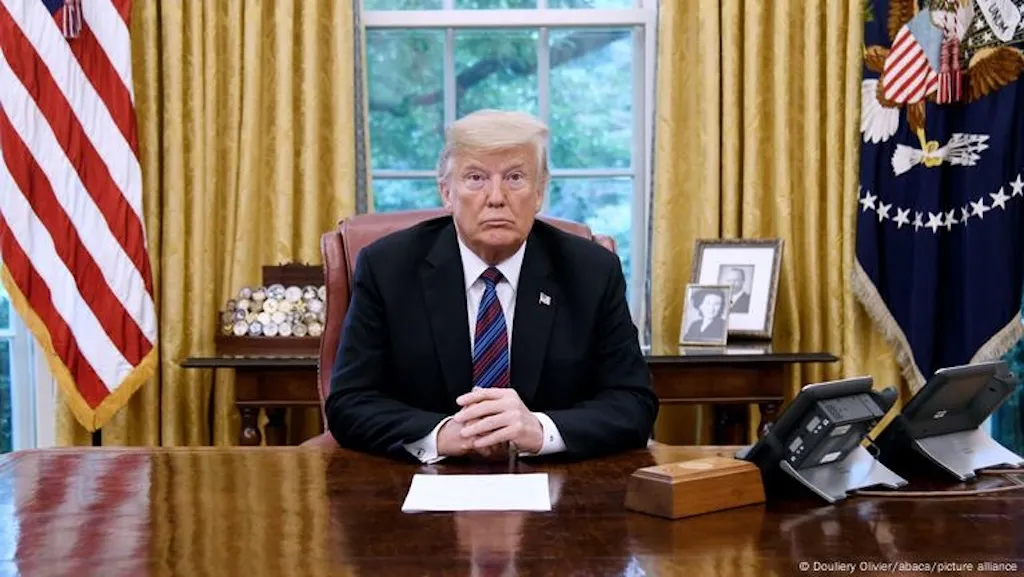
U.S. officials are considering visa restrictions on individuals implicated in sponsoring or enabling anti-Christian violence in Nigeria.
Washington weighs punitive travel restrictions against militants, financiers and political enablers implicated in attacks on Christian communities, as Nigerian authorities face pressure to act.
The United States government is moving toward imposing visa restrictions on alleged sponsors and perpetrators of the killings of Christian minorities in Nigeria, intensifying global attention on what Washington describes as “systematic religious persecution” linked to extremist armed groups and political networks. This decision, officials said, aims to target individuals who have either directly carried out attacks or secretly financed and supported violent groups responsible for massacres, church bombings, and the destruction of predominantly Christian villages across Nigeria.
In a statement authorised under Section 212(a)(3)(C) of the U.S. Immigration and Nationality Act, the U.S. government stated that individuals suspected of being involved in religious oppression will be denied entry into the United States, including immediate family members, even where no criminal conviction has occurred locally. A senior official at the U.S. State Department, Jonathan Price, from the Bureau of Democracy, Human Rights and Labor, reaffirmed the seriousness of the initiative, saying Washington has gathered intelligence linking specific persons to violent religious extremism in Nigeria.
“The U.S. will not remain a neutral bystander where egregious violations of religious freedom occur. Those who sponsor, profit from or tolerate religiously motivated violence must face consequences.” – Jonathan Price, U.S. State Department
The announcement has drawn global attention back to the ongoing killings of Christians and attacks on churches in parts of northern and central Nigeria, a situation widely documented by international groups as escalating annually. The issue of Christian persecution in Nigeria, Fulani militia attacks, and Boko Haram religious terrorism has remained a major source of concern for international observers, with analysts warning that continued impunity encourages armed groups to expand operations.
Attacks attributed to Boko Haram, Islamic State West Africa Province (ISWAP), and violent Fulani militia networks have caused thousands of deaths, mass displacement, and widespread destruction of properties. Villages across Benue, Plateau, Kaduna, Taraba, Niger, and Adamawa States have been razed, with worship centres set ablaze, clergy executed, and entire farming settlements occupied by unidentified militias. These incidents have made Nigeria one of the most dangerous places in the world to practice Christianity, according to several rights organisations.
Nigeria’s government has repeatedly argued that most rural violence stems from criminality, illegal mining networks, and land disputes rather than ideology. Yet international actors disagree. During a recent U.S. policy panel in Washington involving lawmakers, researchers, and international religious rights organisations, Nigeria was described as a “graveyard for persecuted Christians.”
“Persistent, systematic and widespread violations against Christian populations exist.” – U.S. Policy Panel, Washington
This push has intensified under renewed policy attention driven by the Trump administration, which has long criticised Abuja for allegedly “downplaying religious persecution to avoid political backlash.” Former President Donald Trump, who has frequently spoken publicly about protecting Christians globally, is reported to have privately urged congressional leaders to take action against governments perceived to “turn a blind eye” to religious violence. Security analysts say the U.S. policy stance could drastically change how Western states relate with Nigeria on issues of arms sales, security funding, refugee status, and diplomatic ranking.
One of the strongest tools available to Washington is travel denial. Dr. Musa Gyang, a Nigerian security economist and conflict funding researcher, said visa bans do more harm to political elites than military sanctions. Speaking to a U.S. think-tank, Gyang observed that many militia sponsors are protected by political patronage or operate through covert financial systems that are difficult to prosecute domestically.
“You don’t need to arrest a sponsor to hurt their influence. Banning elite families from enjoying the benefits of Western relocation or education often forces powerful actors to rethink their alliances.” – Dr. Musa Gyang, Nigerian security economist
However, the Nigerian government has expressed discomfort with what it perceives as “external exaggeration.” Senior Ministry of Foreign Affairs official Alhaji Abubakar Ladan argued privately that foreign governments risk inflaming ethnic tension by applying religious labels to every violent clash.
“Banditry, cattle grazing conflicts, political thuggery and transnational criminality get wrongly packaged as religious persecution. Nigeria is not a theatre of religious war.” – Alhaji Abubakar Ladan, Nigerian Ministry of Foreign Affairs
Despite the government’s objection, religious and human-rights organisations in Nigeria have applauded the U.S. move. The Christian Association of Nigeria (CAN) has consistently criticised both federal and state authorities for alleged slow and ineffective responses to attacks on predominantly Christian communities.
“If the government cannot protect its citizens, then external pressure may help. We want justice, not sympathy. Identity-based killings must no longer be treated as routine tragedy.” – Reverend Gideon Bako, CAN
Yet not everyone supports the U.S. approach. Some scholars warn that highlighting only Christian victims could unintentionally intensify religious division.
“There are Muslims who suffer atrocities at the hands of terrorists in the North-East. Boko Haram also bombs mosques. Selective outrage risks dividing populations that are already traumatised.” – Dr. Halima Zakari, Ahmadu Bello University
By Ekolense International Desk
Comments