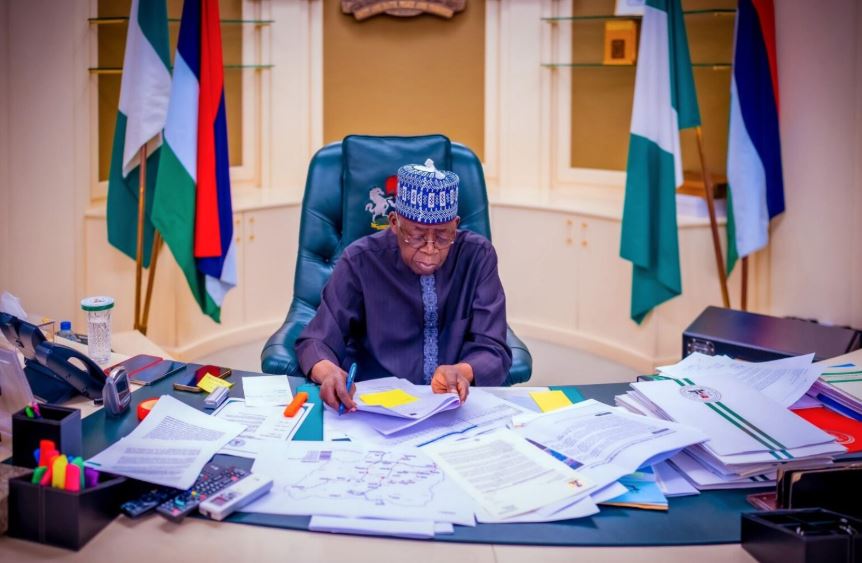
P resident Bola Ahmed Tinubu has revoked the controversial pardons earlier granted to Sanda and 140 other high-profile inmates across Nigeria’s correctional facilities, a decision aimed at reaffirming confidence in the rule of law and accountability within the justice system.
The reversal, officially communicated this week, nullifies clemency extended to a total of 175 convicts, many of whom had been serving time for serious offences including drug trafficking, kidnapping, and large-scale fraud. The Presidency cited "procedural inconsistencies" and “matters of overriding public interest” as justification for the revocation.
Background to the Clemency
The pardons had originally been issued through the Advisory Committee on the Prerogative of Mercy — a body empowered under Section 175 of the 1999 Constitution to advise the President on clemency matters. However, internal reviews reportedly revealed lapses in due diligence and non-compliance with established vetting protocols.
Legal analysts note that this is one of the most sweeping reversals of presidential clemency in Nigeria’s democratic history — a move that signals Tinubu’s intention to distance his administration from perceived leniency toward serious offenders.
“The President’s decision is a correctional step to restore confidence in justice administration and ensure that executive powers are exercised with transparency and fairness,” a senior presidency official told journalists.
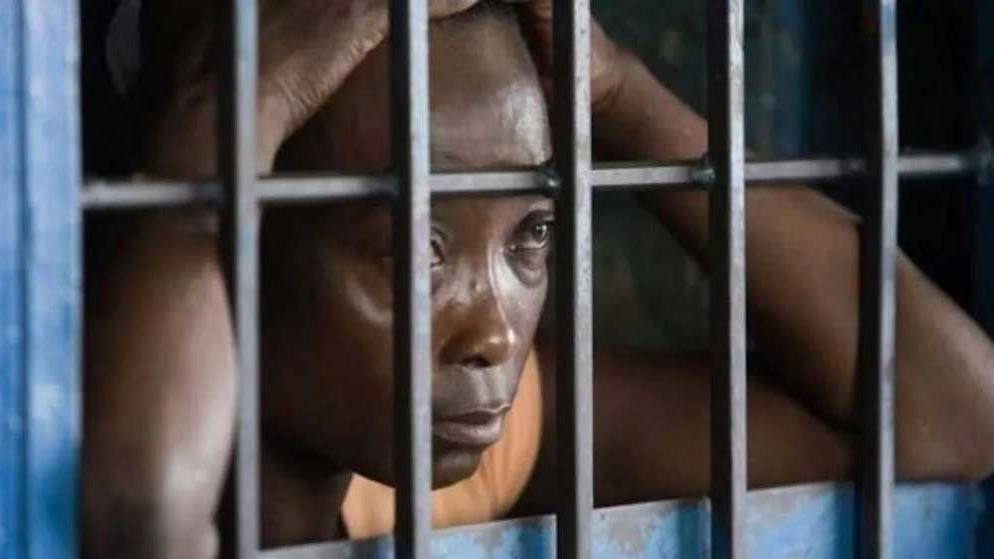
Implications for Justice and Rule of Law
Legal scholars explain that a presidential pardon, once granted, typically restores civil rights and cancels the remainder of a sentence. Revoking such a pardon, therefore, raises complex constitutional questions about due process and legitimate expectation.
However, the presidency’s argument rests on the premise that the initial pardons were issued under flawed administrative conditions — rendering them voidable. This could set a legal precedent for how executive errors are corrected in matters of clemency.
Political and Social Reactions
The move has sparked mixed reactions nationwide. Civil society groups such as the Socio-Economic Rights and Accountability Project (SERAP) and the Centre for Democracy and Development (CDD) have praised the decision as a bold assertion of moral leadership.
“Clemency should not become a tool for rewarding impunity,” said SERAP in a statement. “Revoking improperly granted pardons demonstrates the government’s readiness to uphold justice above sentiment.”
Conversely, some human rights lawyers have questioned whether those affected were given the opportunity to respond or appeal before the revocation — a procedural step that could determine whether the decision stands up to judicial scrutiny.
Broader Governance and Institutional Lessons
Analysts interpret the development as part of Tinubu’s broader effort to reinforce discipline within Nigeria’s governance ecosystem. Coming at a time of heightened public demand for accountability, it may serve as both a deterrent to corruption and a symbolic reassertion of executive responsibility.
It also shines light on systemic weaknesses in the Prerogative of Mercy Committee — which has been criticized for opaque processes, political favoritism, and lack of clear criteria for recommending convicts for clemency.
Expert Perspectives
According to Dr. Charles Nwankwo, a criminology expert at the University of Abuja, “This decision redefines executive accountability. It shows the President recognizes that mercy must be guided by justice, not sentiment. Future pardon processes will now require deeper verification and transparency.”
Similarly, former lawmaker Shehu Sani described the revocation as “an act of conscience and responsibility,” arguing that public confidence in leadership grows when tough moral decisions outweigh political expediency.
Conclusion: A Turning Point in Nigeria’s Clemency Culture
The revocation of the pardons marks a defining moment in Nigeria’s criminal justice landscape. It raises new conversations about the boundaries of presidential power, the role of public accountability, and the moral obligations of governance.
As debates continue, the decision may reshape future clemency protocols — demanding greater scrutiny, documentation, and transparency — and potentially redefining how mercy and justice coexist within Nigeria’s democracy.
Key Takeaways:
- Tinubu revokes pardons for Sanda and 140 high-profile inmates amid procedural concerns.
- 175 total convicts affected, including drug traffickers, kidnappers, and fraudsters.
- Move signals intent to restore faith in justice and end misuse of presidential clemency.
- Legal debates expected over constitutional powers and revocation process.
- Analysts view it as a moral reset for Nigeria’s governance and justice system.