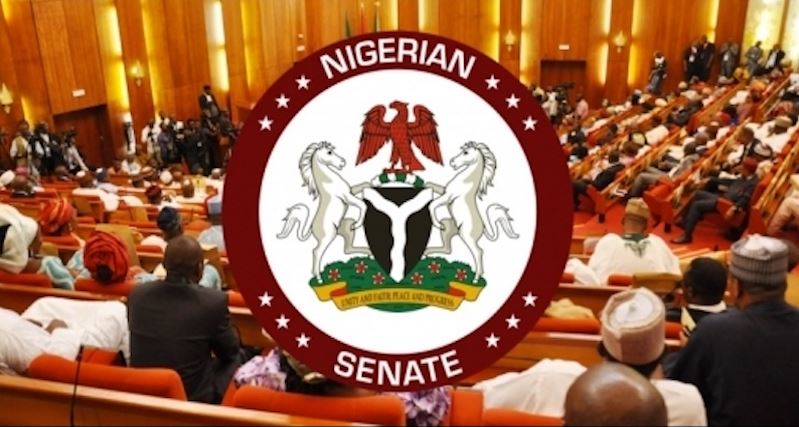
A buja — In a scene equally public spectacle and confidential behind‑the‑scenes manoeuvre, Nigeria’s Senate on Wednesday executed a dual‑phased screening of newly‑nominated service chiefs for the Bola Tinubu administration. The process began in full public view but swiftly moved into closed‑door mode — signalling the legislature’s effort to balance citizen oversight with sensitive national‑security considerations.
The session, described by Senate insiders as “court‑room‑like accountability”, featured nominations by the President of four top service‑chief posts: the Chief of Defence Staff (CDS), Chief of Army Staff, Chief of Naval Staff and Chief of Air Staff. Leading the panel of nominees was Olufemi Oluyede, introduced to the chamber as “class captain” for his extensive career spanning frontline operations and staff command.
The sitting opened with pointed questioning by senators. Tahir Monguno, representing Borno North, pressed Oluyede on immediate action plans to counter insurgency, while Adamu Aliero probed troop‑welfare and cross‑border bandit operations in the northwest.
Yet, while much of the hearing unfolded in public, the Senate swiftly shifted into a closed‑session once the substantial security questions began. The manoeuvre, led by Senate President Godswill Akpabio, was intentional: “Transparency first, then candour behind closed doors,” he explained.
Key Themes Across Service‑Chief Nominees
- Promotion of domestic defence‑industry production to reduce reliance on foreign‑procured arms.
- Enhanced intelligence‑led operations, improved troop welfare, and inter‑agency coordination.
- Air Force nominee Kennedy Aneke emphasised “smarter war‑fighting” via drones and unmanned systems, rather than legacy aircraft.
- Navy nominee Idi Abbas focused on tackling oil‑theft and piracy, avoiding duplicative coast‑guard structures.
Beneath the answers lay stark realities: funding constraints, competing demands on the military, emerging hybrid warfare threats, and communities still suffering from low morale and infrastructure decay within the armed forces.
By combining public accountability with private deliberation, the Senate sent twin signals. One: it remains willing to hold even the highest‑ranking security officials to account. Two: it recognises the operational need for discretion in national defence.
Analysts suggest the exercise may serve as a template for future security‑sector vetting: part theatre, part strategy. The real work will now reside in budgetary follow‑through, procurement reform, and actual improvements in the field. Without those, the screening risks becoming symbolic rather than substantive.
The nominees were confirmed, but the challenge shifts from question‑time to action: improving troop housing, ensuring timely procurement, and executing inter‑agency cooperation. Nigerians will be watching.
What unfolded in the Senate chamber may have been the opening act — the performance. The true measure will be in operations, outcomes, and impact on the ground.