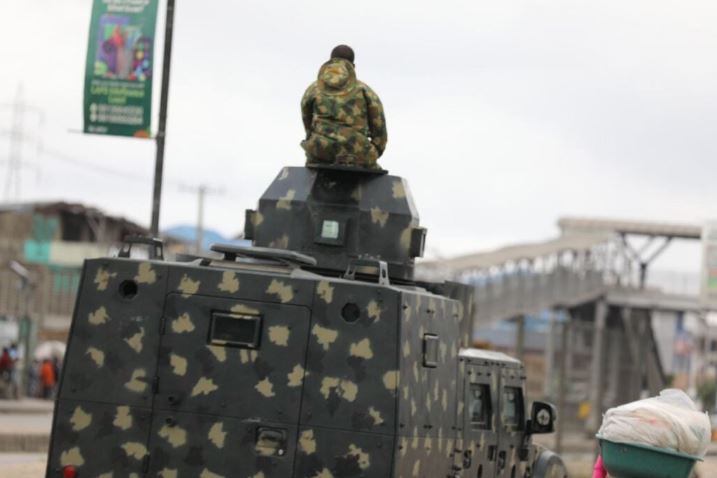
A buja — In a dramatic escalation of a covert military investigation, two Nigerian Army officers are confirmed to be on the run after being implicated in an alleged coup plot, even as the defence establishment moves to arrest more personnel tied to the conspiracy.
According to sources close to the inquiry, a total of 18 officers were initially targeted for arrest. However, Major JM Ganaks (service number N/14363) and Captain G. Binuga (service number N/167722) managed to evade capture and are now believed to have fled the country. Ganaks—a member of the 58th Regular Course of the Nigerian Defence Academy (NDA) stationed at Jaji, Kaduna State—hails from the FCT. Binuga, a Regular Course 64 alumnus, was posted to DHQ SOF in Bida, Niger State, and is originally from Taraba State.
Meanwhile, investigators say that the preliminary round of arrests has expanded significantly: some 30 officers are now reportedly in custody, with many providing “useful statements” that have led to follow‑on arrests.
Despite the growing case file, the Defence Headquarters (DHQ) publicly states the investigation remains a “routine internal process aimed at ensuring discipline and professionalism within the ranks.”
Observations
- The decision by two officers to flee the country underscores the perceived gravity of the allegations and possible fear of prosecution.
- The rapid escalation from 16 to 30‑plus arrests signals an intensifying crackdown.
- The public posture of DHQ—framing the probe as routine—may reflect caution or efforts to manage public perception ahead of fuller disclosure.
For the government and military leadership, this investigation is a litmus test of institutional control. Failure to neutralise the conspiracy, or significant leaks during the process, could undermine the credibility of the armed forces and the stability of the present administration. For the public, lingering questions remain: were these isolated discussions among disgruntled officers—or a coordinated insurrection backed by deeper networks and funding?
If the investigation results in public trials or policy reforms, it may mark a turning point in how Nigeria handles threats from within its own security apparatus. Conversely, a quiet resolution could fuel speculation and suspicion.