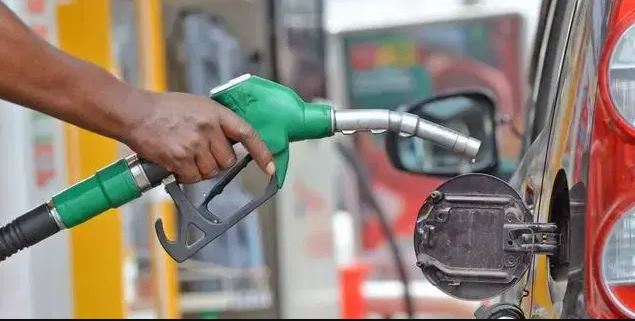
N Nigeria’s long-running battle with fuel pricing and subsidy reform has entered a new phase — and it’s one that could cost citizens dearly. The federal government has officially introduced a 15 percent import tariff on petrol, a move intended to boost local refining and cut dependency on foreign imports. But experts warn that the decision could lead to a ₦1 trillion surge in national fuel expenditure annually, piling fresh pressure on households already burdened by record inflation and currency depreciation.
Government officials insist the tariff is a necessary step to encourage local production. With the Dangote Refinery and other modular refineries gradually entering the market, policymakers argue that the tariff will create a level playing field, discouraging reliance on imports and supporting local jobs. However, critics describe the move as premature — implemented before domestic refineries have proven consistent output or pricing stability.
According to a senior petroleum policy analyst who spoke to Ekolense Desk,
“You don’t protect an industry that is not yet fully operational. What we are seeing is a classic case of putting the cart before the horse. The result will be higher pump prices and consumer pain.”
At the surface, a 15 percent tariff may appear minimal, but when applied to Nigeria’s massive annual fuel import volume — roughly 20 billion litres — the financial impact becomes staggering. That translates to over ₦1 trillion in additional cost, which industry observers say will inevitably be transferred to consumers through the pump price.
Economists estimate that the average cost of petrol could rise from ₦617 per litre to between ₦720 and ₦950, depending on exchange rate fluctuations and logistics costs. For commuters, transporters, and small businesses, this increase could mean another round of economic hardship — and potentially trigger inflationary shocks across food, transport, and energy prices.
The Federal Government maintains that the tariff is a strategic industrial policy, not a tax burden. Officials from the Ministry of Petroleum Resources explain that the goal is to:
Encourage investment in domestic refining.
Protect new refineries from cheap foreign competition.
Channel tariff proceeds into infrastructure and energy transition funds.
In a statement, the government noted that,
“Nigeria must wean itself from import dependency. This tariff is a necessary bridge to self-sufficiency and energy security.”
Despite these assurances, Nigerians are confronting a stark reality — wages remain stagnant, inflation has surpassed 30 percent, and the naira continues to weaken. Public transport fares have already tripled in several urban centers since subsidy removal in mid-2023. Adding a new tariff now, analysts say, could wipe out the modest gains of ongoing reforms, especially for low-income households and small-scale traders.
Dr. Sarah Eze, an energy economist at the University of Ibadan, told Ekolense:
“It’s hard to justify a 15% fuel tariff when the average Nigerian cannot afford essential goods. The government should first stabilize local production before introducing new levies. Otherwise, the result will be higher inflation and social tension.”
While the Dangote Group has expressed confidence that the measure won’t significantly impact pump prices — citing domestic refining as a stabilizing factor — independent marketers remain skeptical. They warn that until local supply meets demand, Nigeria will continue to import large volumes of petrol, meaning tariff-induced costs will persist.
An oil marketing executive said,
“Unless Dangote and other refineries can refine at full capacity and sell competitively, the tariff will simply punish Nigerians for a policy that hasn’t yet matured.”
The implications of the tariff extend beyond the fuel pump:
Transportation: Higher fares could worsen urban mobility challenges.
Agriculture: Rising diesel and petrol costs could increase food prices.
Inflation: Core inflation may rise by another 3–4 percent if the tariff stays.
Debt & Fiscal Pressure: Subsidy savings may be offset by reduced consumer spending power, limiting overall economic growth.
As Nigeria edges toward a more liberalized energy market, policymakers face a critical balancing act — stimulating domestic production without crippling consumer welfare. If managed poorly, the 15 percent tariff could deepen inequality, stall recovery, and fuel further distrust in government reforms.
All eyes are now on how effectively the government enforces transparency in tariff revenue allocation — and whether refineries like Dangote’s can deliver sustainable output. If local capacity truly scales, Nigeria could finally transition from a fuel-importing giant to a refining powerhouse. But if not, the new policy might only reinforce a familiar cycle: citizens pay more, while promises of reform remain just beyond reach.
By Ekolense News Desk